COUNCIL OF EYES
Veteran collectors who have cultivated expertise over decades. Rank up by submitting cards and posting upvoted reviews— and then become eligible to join The Council.
Biography
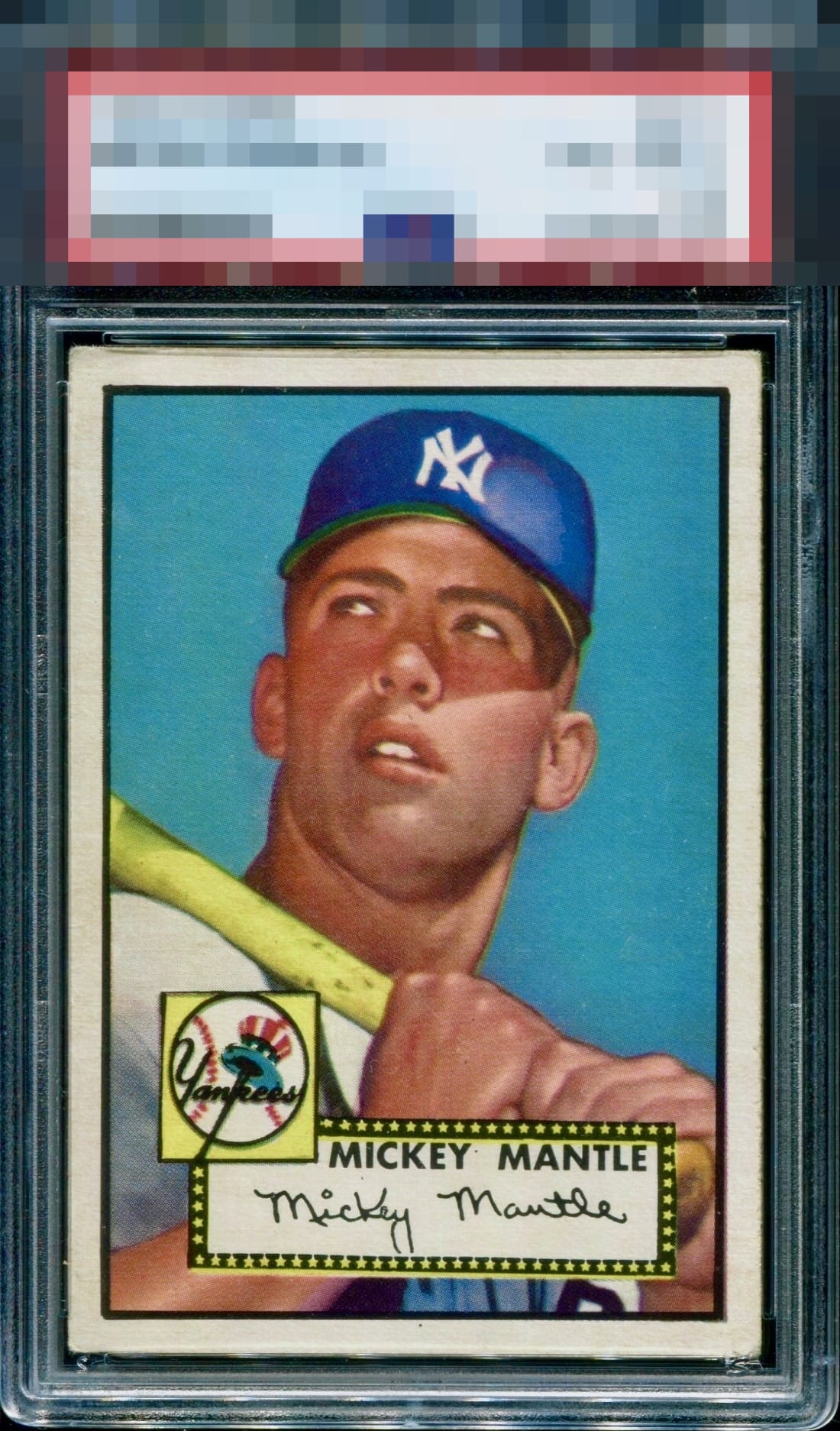
Matt Cirulnick is a screenwriter/producer who hails from Brooklyn, NY. He began collecting in 1986 with a pack of Topps bought at the corner store on 11th Ave (he pulled a Gooden Record Breaker). He was turned onto collecting by his cousin, who in '86 urged him to get a Canseco Rated Rookie (it was purchased in 2024). Matt's focus is classic sportscards, with an emphasis on Yankee greats. His collection highlights are two 1952 Topps Mantles--one centered, and one signed on March 29, 1968. The latter is one of only two "playing days" signed '52 Mantles, of the 21 known. It is the only with a known date of signing. Fun fact: both of Matt's Mantles have provenance tracing them all the way back to their original packs in '52!
Grading Style
Think of this as an umpire scouting report; how does the ump call a game?
For me, the key determinants of eye appeal are image quality and centering. I can be forgiving on corners and am very lenient when it comes to card backs. I have never been one to look at my cards under magnification, so if I need a loupe to see a flaw, for me, it "isn't there."
SHOWCASE

A+ Council
Mickey Mantle #253
A+ Council
Mickey Mantle #311
A+ Council
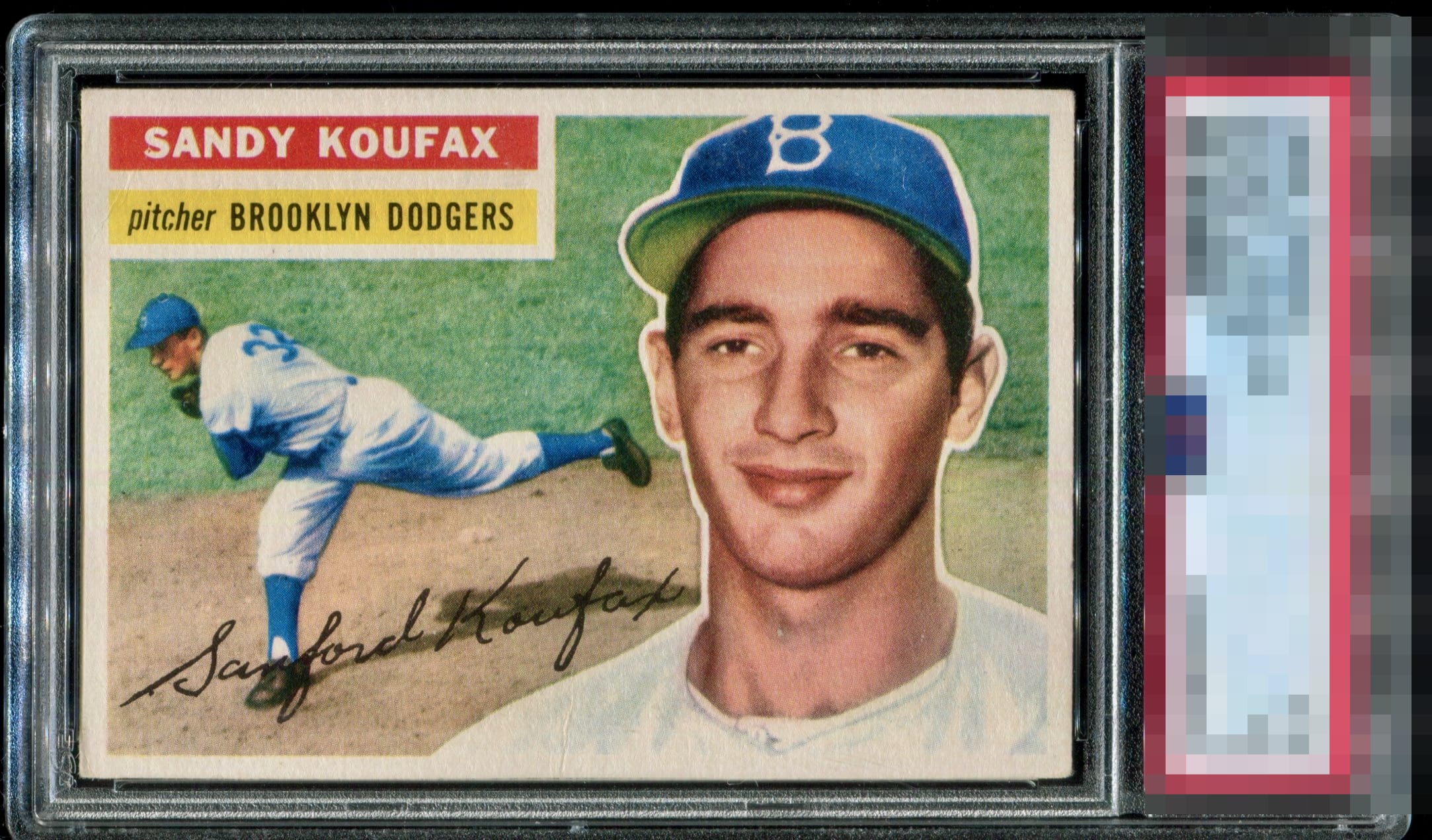
Sandy Koufax #79
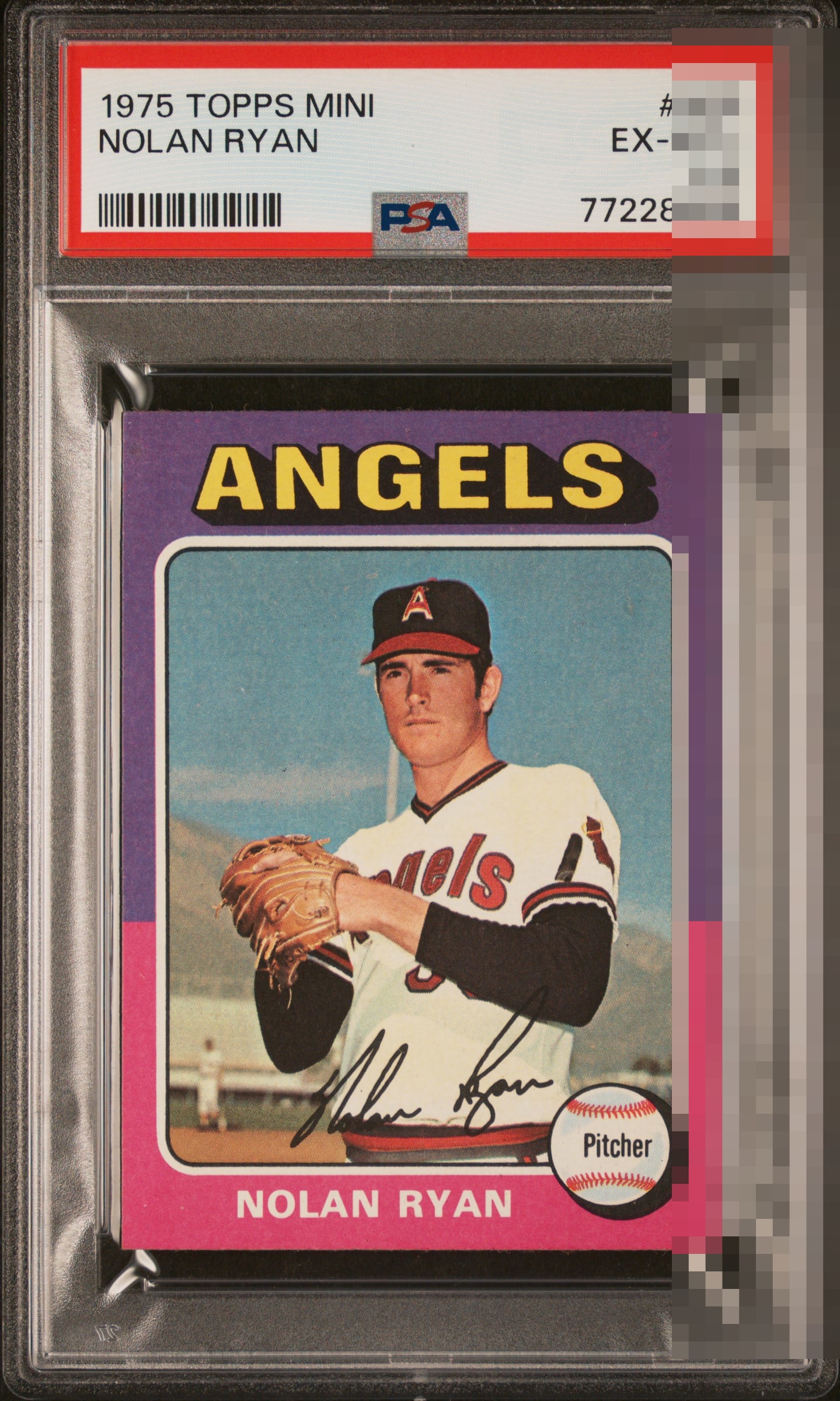
Nolan Ryan #500
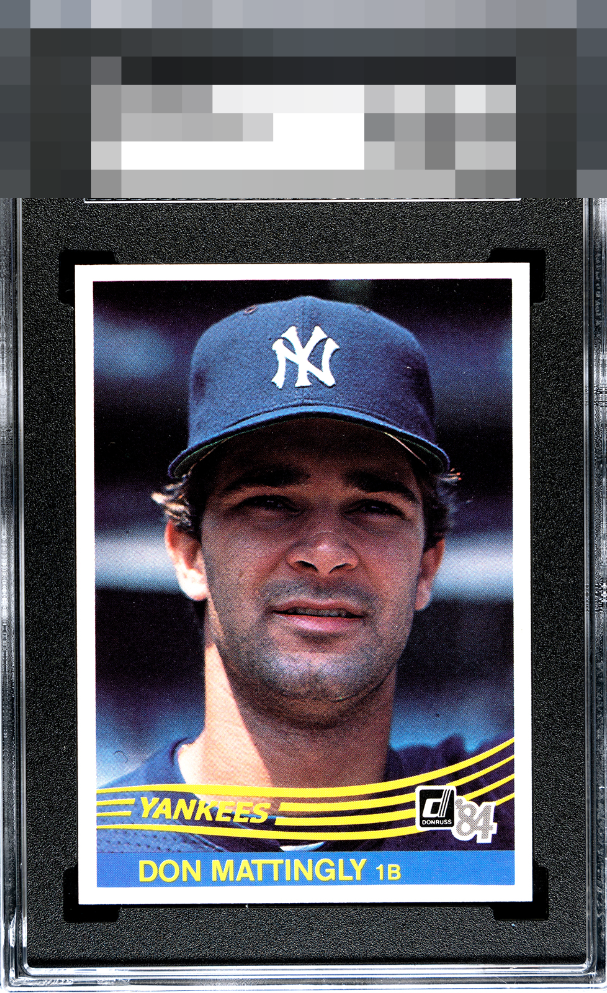
Don Mattingly #248

Biography
A distinguished member of the Council of Eyes, dedicated to preserving the art of collectible evaluation and maintaining the highest standards of eye appeal assessment.
Grading Style
Think of this as an umpire scouting report; how does the ump call a game?
Grading style not yet defined.

Biography
A distinguished member of the Council of Eyes, dedicated to preserving the art of collectible evaluation and maintaining the highest standards of eye appeal assessment.
Grading Style
Think of this as an umpire scouting report; how does the ump call a game?
Grading style not yet defined.
SHOWCASE
Building their legacy...

Biography
A mortgage broker with over 35 years of experience collecting sports cards. Early in his collecting journey, he focused primarily on acquiring as many cards as possible, often without paying much attention to eye appeal. However, as he grew in the hobby, his approach evolved— and began seeking out cards that were perfectly centered, visually striking, and in the lowest grade possible to balance aesthetics with affordability.
Grading Style
Think of this as an umpire scouting report; how does the ump call a game?
I love the thrill of hunting for low-grade cards with exceptional eye appeal. Centering is the first thing I notice—I’d definitely call myself a centering and registration snob. Even the slightest off-centering can make a card a no-go for my collection. I’m not concerned with card backs; a PSA 1 with back paper loss that looks like a 4 from the front is exactly what I’m after.



Biography
if you ever run into a bug or something feels off while using the app, don’t stress—I am not a scammer - there’s a 99% chance it’s nothing you did. In fact, you were chosen - to help test and shape this platform it's because we trust your eye and your instincts.s Your feedback and honest reactions are what help us build something truly special. We want Eye Appeal to work beautifully for everyone, and every little hiccup you find is a gift to our development team. So if something’s buggy, consider it a badge of honor—you're helping us get better, and we appreciate you. Thanks for being part of the earliest, most important chapter of Eye Appeal. We couldn’t do it without you.
Grading Style
Think of this as an umpire scouting report; how does the ump call a game?
For me, the key determinants of eye appeal are image quality and centering. I can be forgiving on corners and am very lenient when it comes to card backs. I have never been one to look at my cards under magnification, so if I need a loupe to see a flaw, for me, it isn't there.
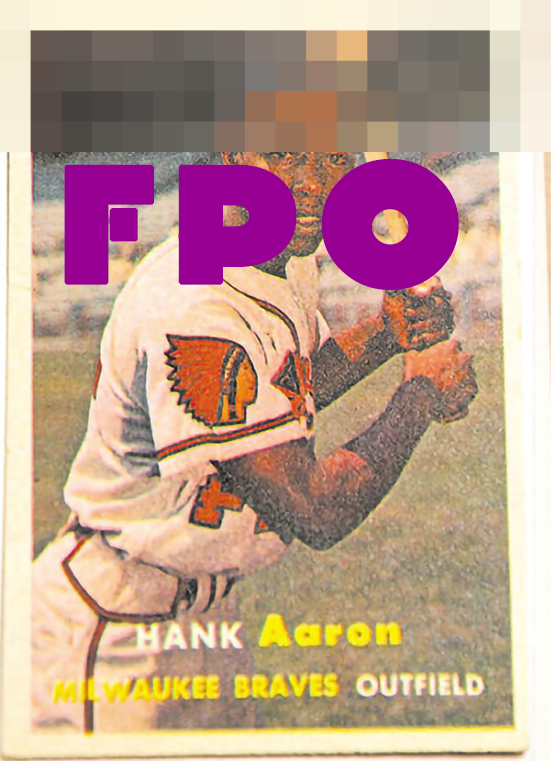

Biography
A lifelong collector, Nate has had the good fortune of collecting with his dad when he was a kid, and now with his son. Nate is a co-host of the Rough Cuts podcast, and an avid collector of high EA vintage baseball, basketball & football cards. He is a corporate lawyer, originally from western NY.
Grading Style
Think of this as an umpire scouting report; how does the ump call a game?
Grading style not yet defined.
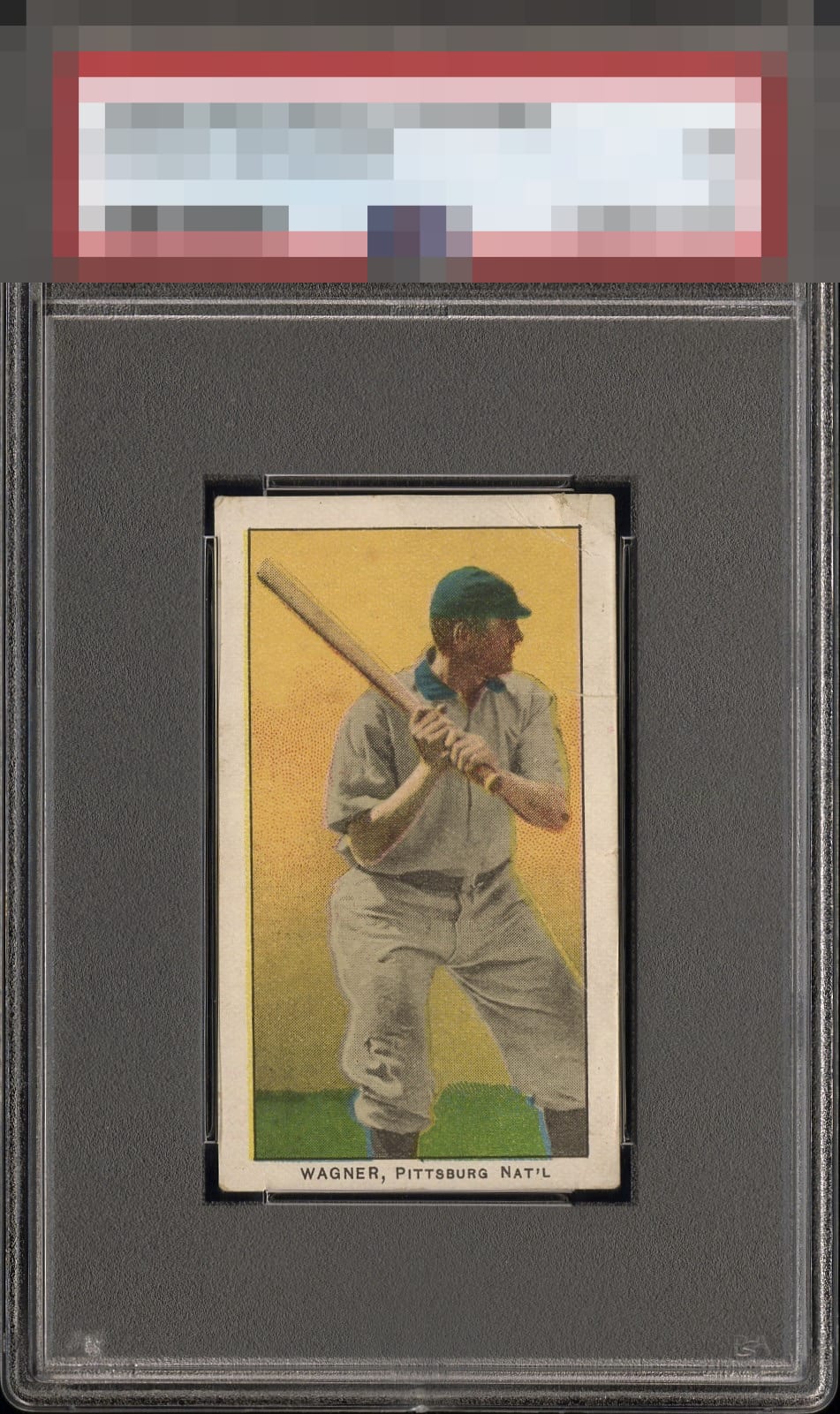
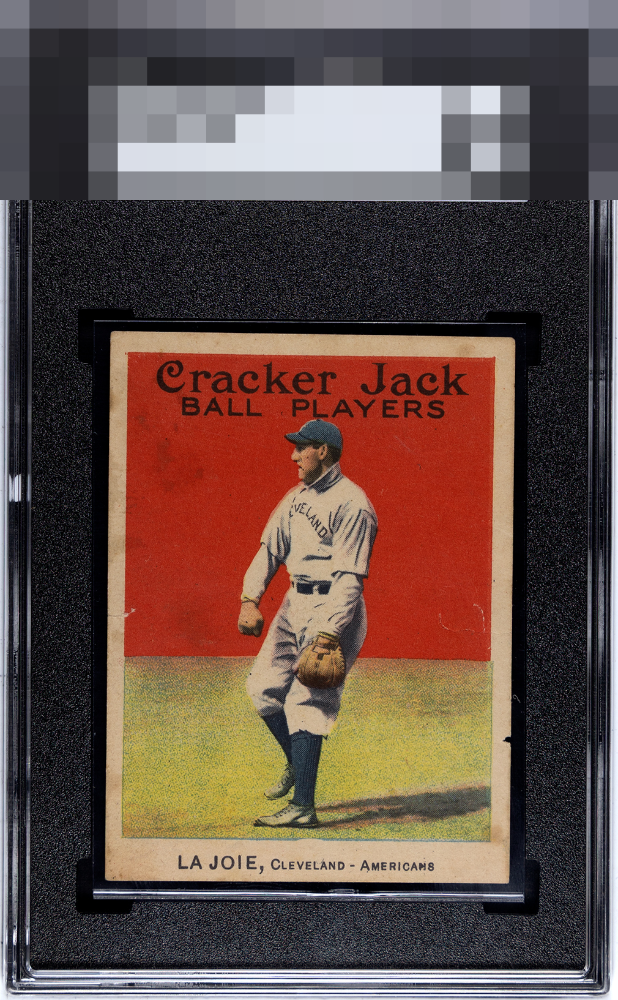
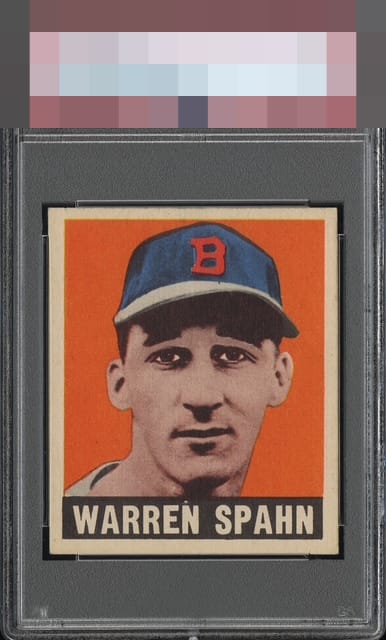


Biography
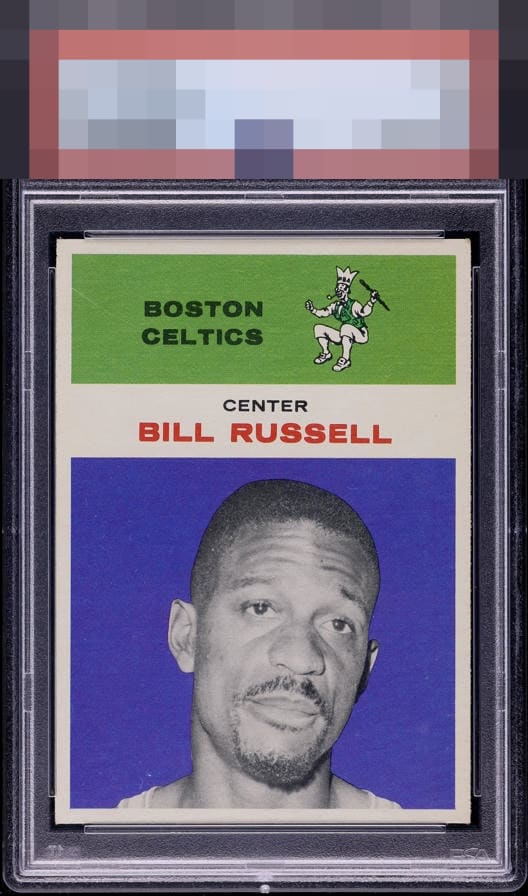
I'm a data scientist and a collector with a passion for vintage cards with remarkable eye appeal. I have OCD, so I'm extremely picky, which I'm sure will be reflected in my reviews. If a card is not centered, it's not for me. I primarily collect post-war vintage although I dabble in pre-war as well. I also collect Michael Jordan and Lebron James cards as well as some other random modern cards and insert sets from the 90s. I was a professional poker player for the first half of my adult life, and I also collect rare casino and poker chips.
Grading Style
Think of this as an umpire scouting report; how does the ump call a game?
Centering, centering, centering. Cards have to be centered for me. I also care about color, registration, print flaws, and creases. I couldn't care less about corner wear and usually don't mind minor surface wear. I also generally don't care about flaws on the back unless they really stand out.




Biography
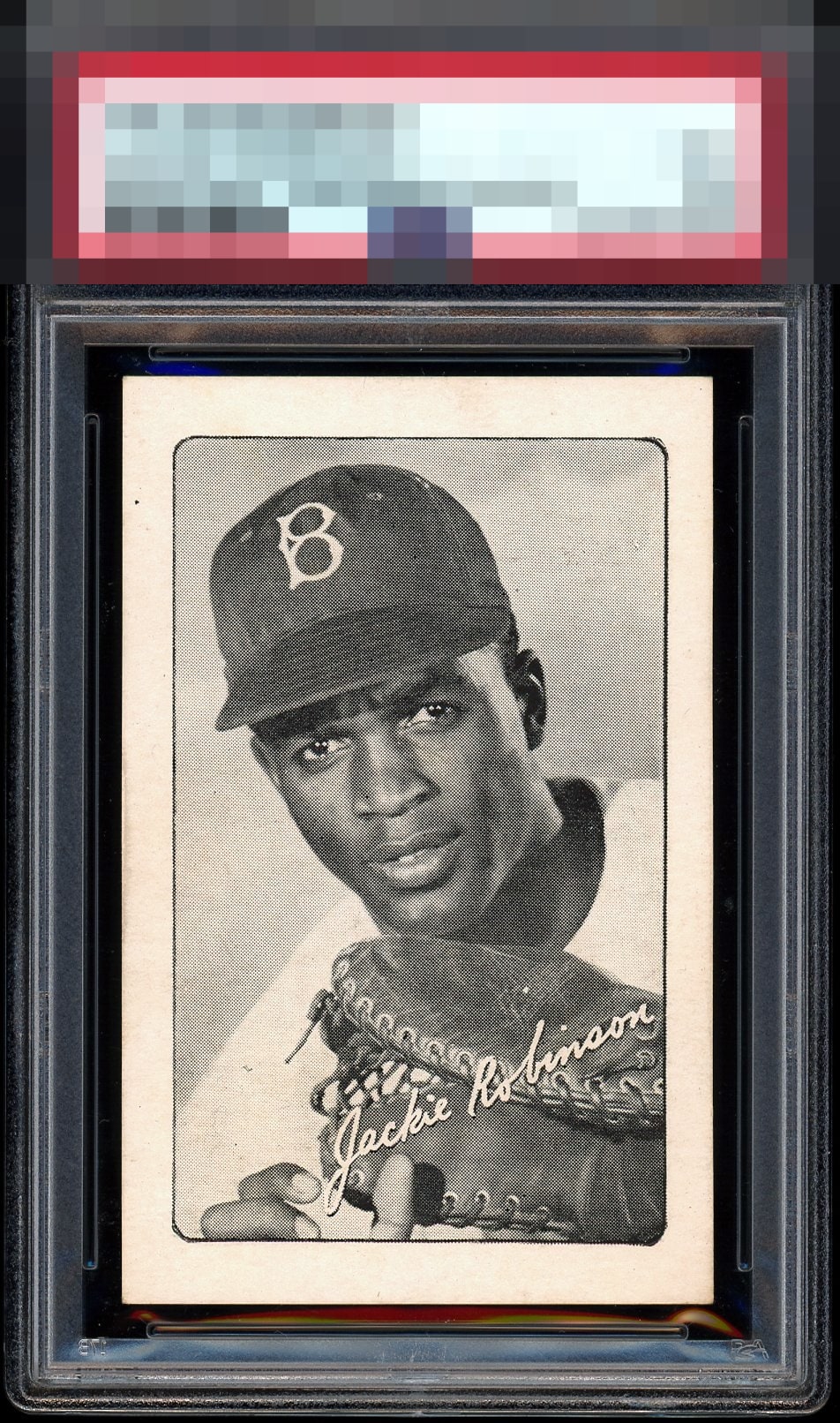
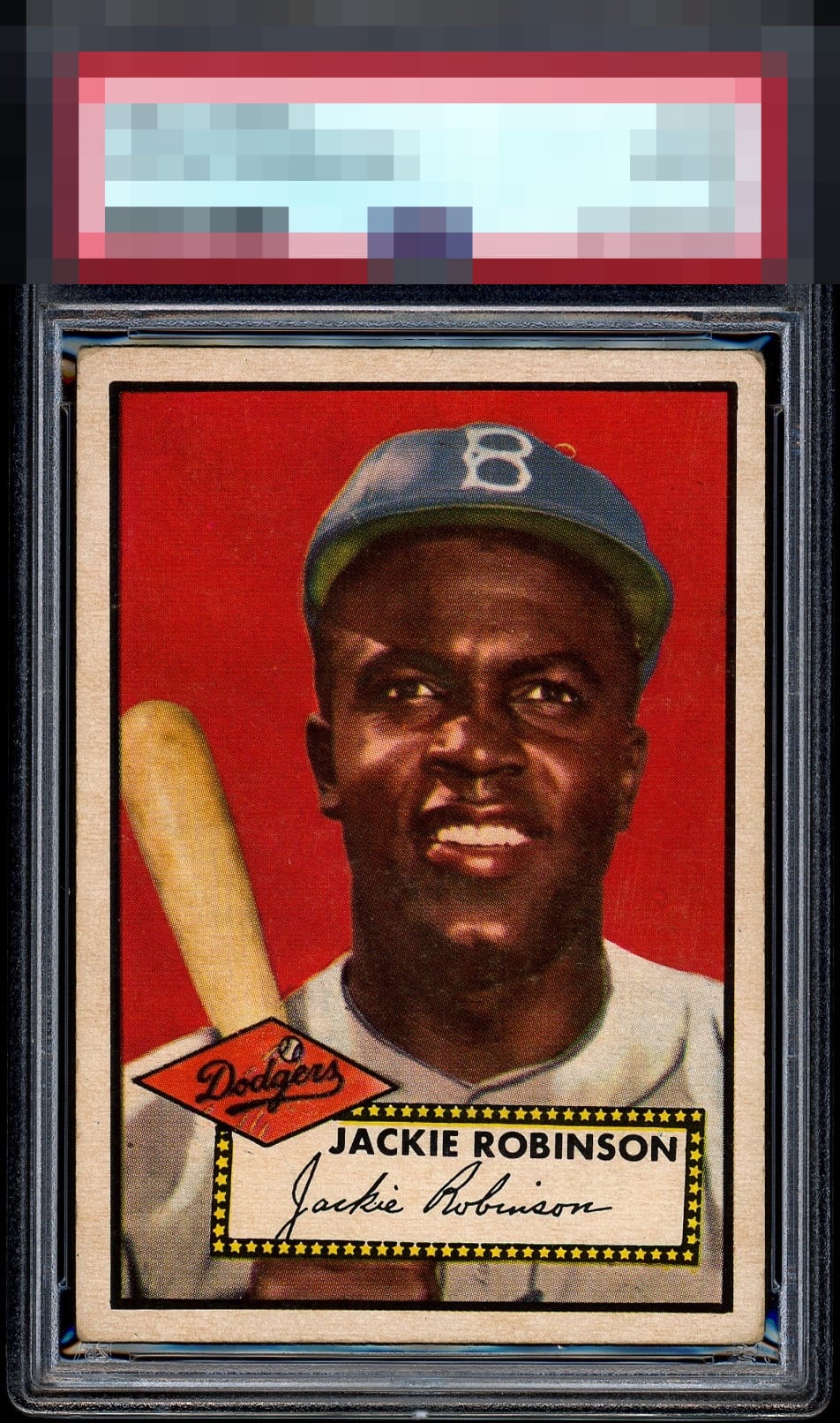
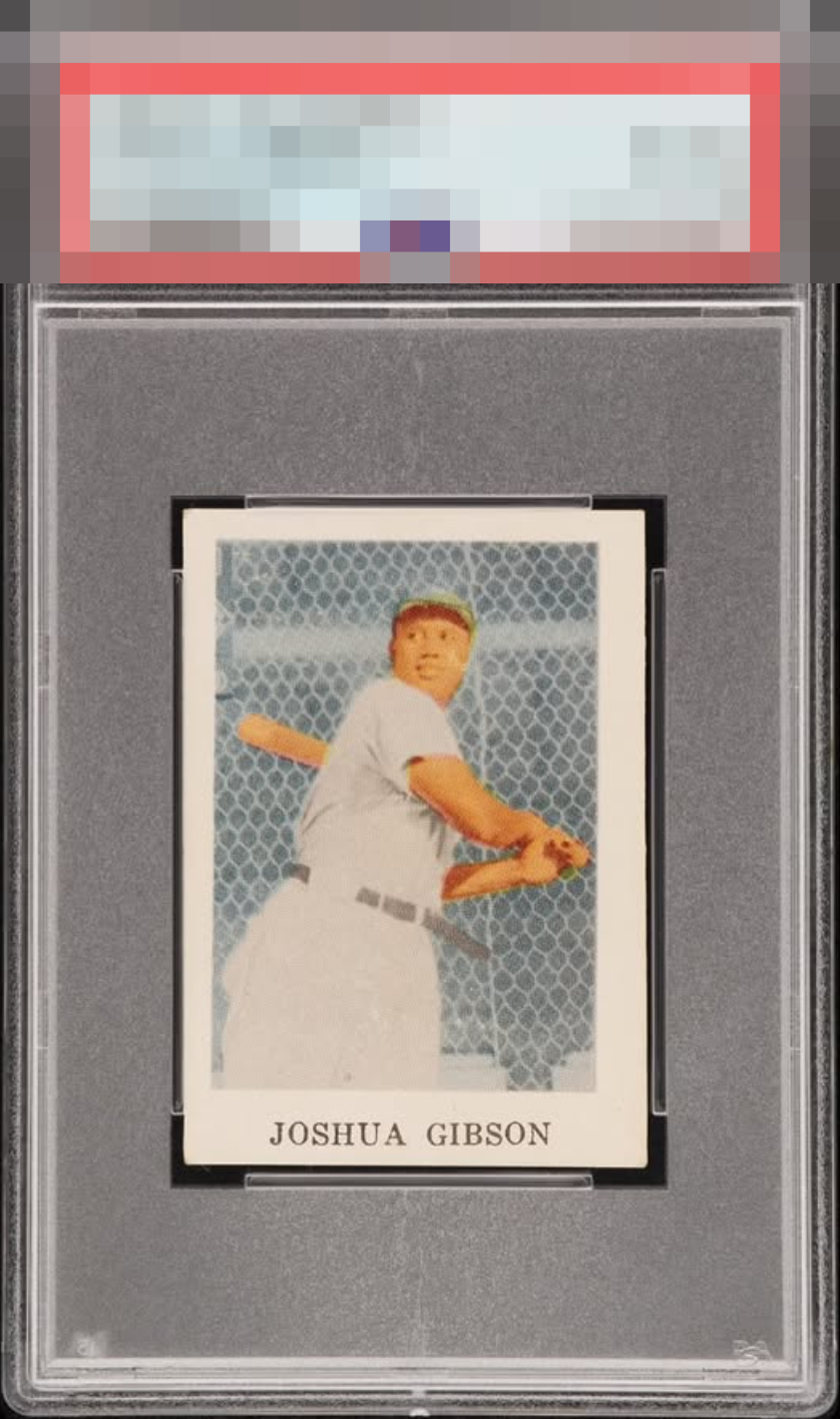
I am a passionate baseball card collector and historian based in Atlanta, Georgia. I have been collecting vintage baseball cards since from a young age, with a current focus on extremely rare Negro League cards and perfectly centered Post-War vintage baseball classics. Professionally, I work as a management consultant, bringing the same precision and dedication to my career as my hobby. One of my proudest moments as a collector was traveling to Puerto Rico to add a 1950–51 Joshua Gibson Toleteros to my collection.
Grading Style
Think of this as an umpire scouting report; how does the ump call a game?
Grading style not yet defined.



Biography
A distinguished member of the Council of Eyes, dedicated to preserving the art of collectible evaluation and maintaining the highest standards of eye appeal assessment.
Grading Style
Think of this as an umpire scouting report; how does the ump call a game?
Grading style not yet defined.
SHOWCASE
Building their legacy...

Biography
A distinguished member of the Council of Eyes, dedicated to preserving the art of collectible evaluation and maintaining the highest standards of eye appeal assessment.
Grading Style
Think of this as an umpire scouting report; how does the ump call a game?
Grading style not yet defined.
SHOWCASE
Building their legacy...

Biography
A distinguished member of the Council of Eyes, dedicated to preserving the art of collectible evaluation and maintaining the highest standards of eye appeal assessment.
Grading Style
Think of this as an umpire scouting report; how does the ump call a game?
Grading style not yet defined.
SHOWCASE
Building their legacy...

Biography
Jeremy Lee is a lifelong collector (since 1980), content creator, and trusted voice in the sports card hobby. He is the founder and host of Sports Cards Live, a YouTube show and podcast that has featured hundreds of in-depth interviews with hobby leaders, collectors, and industry insiders since 2020. Known for his thoughtful insights, engaging discussions, and passion for vintage and modern cards alike, Jeremy brings both critical thinking and community focus to everything he does in the hobby. Prior to his full-time focus on the hobby, he spent 25 years as a CPA, holding VP and CFO roles with specialties in taxation, real estate and retail; a background that continues to inform his analytical approach to the sports card hobby and its evolution.
Grading Style
Think of this as an umpire scouting report; how does the ump call a game?
Grading style not yet defined.

Biography
A distinguished member of the Council of Eyes, dedicated to preserving the art of collectible evaluation and maintaining the highest standards of eye appeal assessment.
Grading Style
Think of this as an umpire scouting report; how does the ump call a game?
I seek out nicely centered cards with vivid colors and a lack of any wrinkles or surface blemishes on the player. Corners are the least important to me when considering the overall eye appeal of a card.


Biography
A distinguished member of the Council of Eyes, dedicated to preserving the art of collectible evaluation and maintaining the highest standards of eye appeal assessment.
Grading Style
Think of this as an umpire scouting report; how does the ump call a game?
Grading style not yet defined.
SHOWCASE
Building their legacy...

Biography
I am a YouTuber and newsletter writer obsessed with eye appeal. I collect mostly iconic cards from all sports and eras, but focus mostly on vintage baseball. Collector on a small budget. In my day job I lead an operations / analytics group.
Grading Style
Think of this as an umpire scouting report; how does the ump call a game?
Focused on card-front and centering.
SHOWCASE
Building their legacy...

Biography
A distinguished member of the Council of Eyes, dedicated to preserving the art of collectible evaluation and maintaining the highest standards of eye appeal assessment.
Grading Style
Think of this as an umpire scouting report; how does the ump call a game?
Grading style not yet defined.
SHOWCASE
Building their legacy...

Biography
A distinguished member of the Council of Eyes, dedicated to preserving the art of collectible evaluation and maintaining the highest standards of eye appeal assessment.
Grading Style
Think of this as an umpire scouting report; how does the ump call a game?
Grading style not yet defined.


Biography
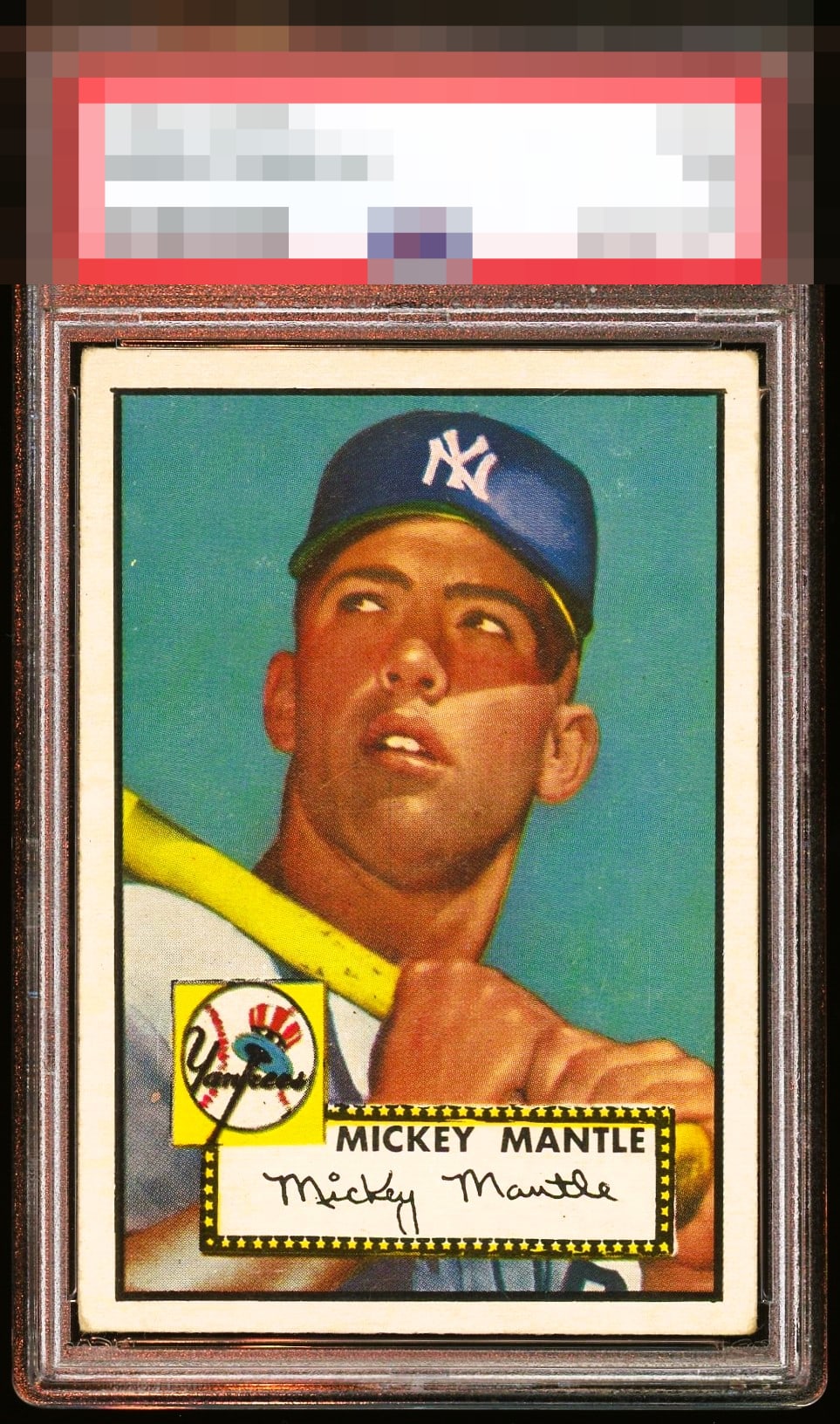
Avid sports fan. Love to check out new cards and trade
Grading Style
Think of this as an umpire scouting report; how does the ump call a game?
Grading style not yet defined.



Biography
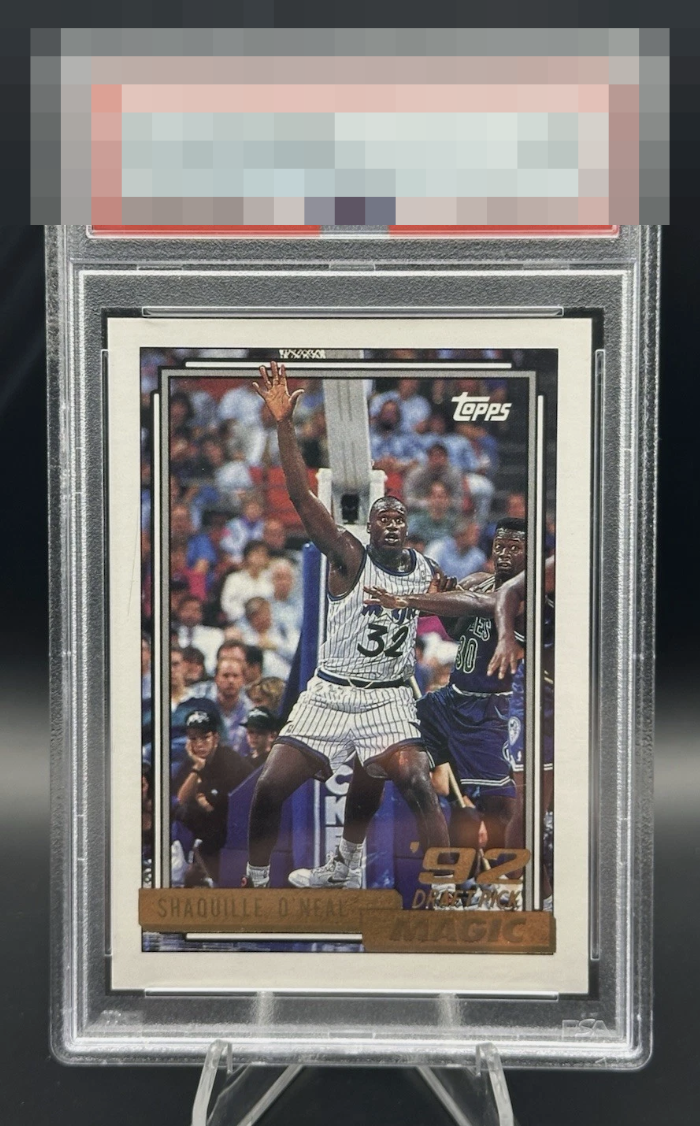
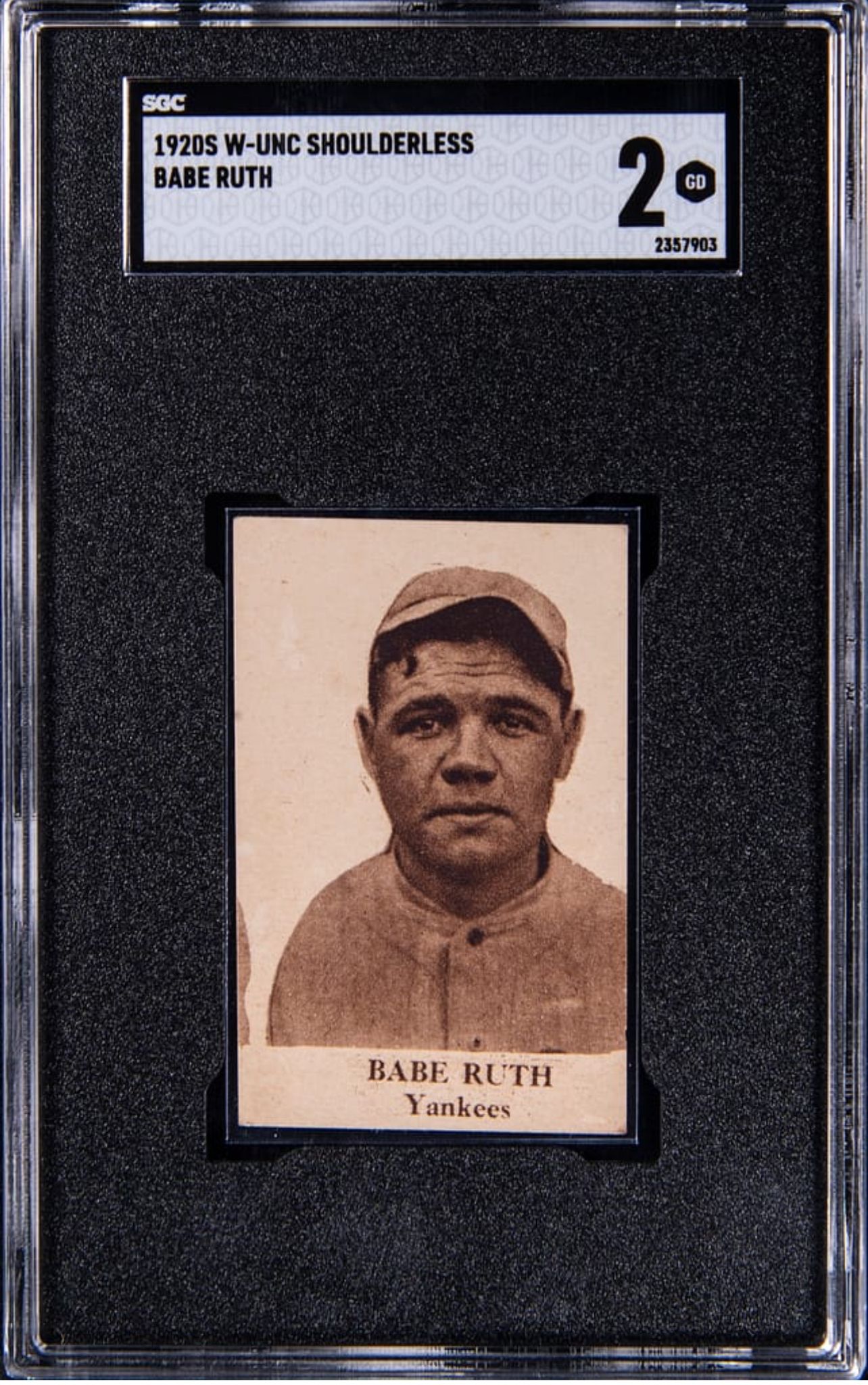
I am a Manager in the Services field with the focus being a Servant Leader. Been collecting for close to 40 Years but turned serious collector in the last 15 years. My collection goal is to have less cards but higher quality. I focus on the Rarity, the oddity, and the history of card collecting with emphasis on pre WW2 cards. I took several years to shrink my collection down to less than 20 cards. I am not a flipper or reseller. I only sell/trade cards to focus my collection or to upgrade the cards as it relates to quality and rarity.
Grading Style
Think of this as an umpire scouting report; how does the ump call a game?
My Grading Style starts with what catches my eye positively or negatively. I am big into Centered cards, Colors that Pop, and sharp images. I can over look flaws as long as it does not distract from the overall card. On Autographs I am big into them being properly placed to maximize the autographs visibility as well as not blocking key images/parts of the card and I rate the card as combination of the auto and overall appearance of the card. A pet peeve of mine is the borders not just centering but from the coloring of them and are they straight. Because borders really catches my eye and can make or break a cards image to me. However, the better the card as the grading goes up then the standards are raised and I take more into account the blemishes, corners, edges etc.



Biography
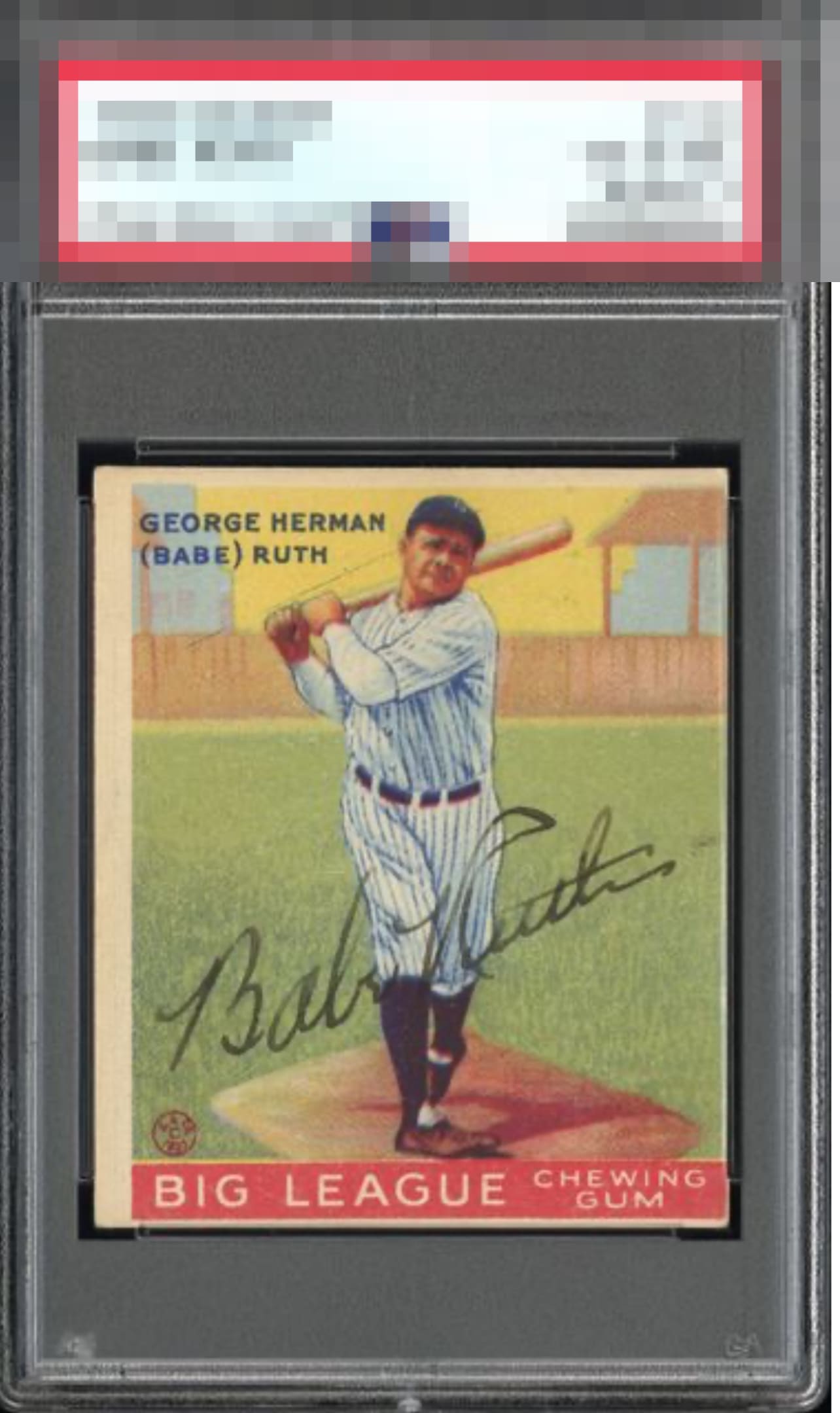
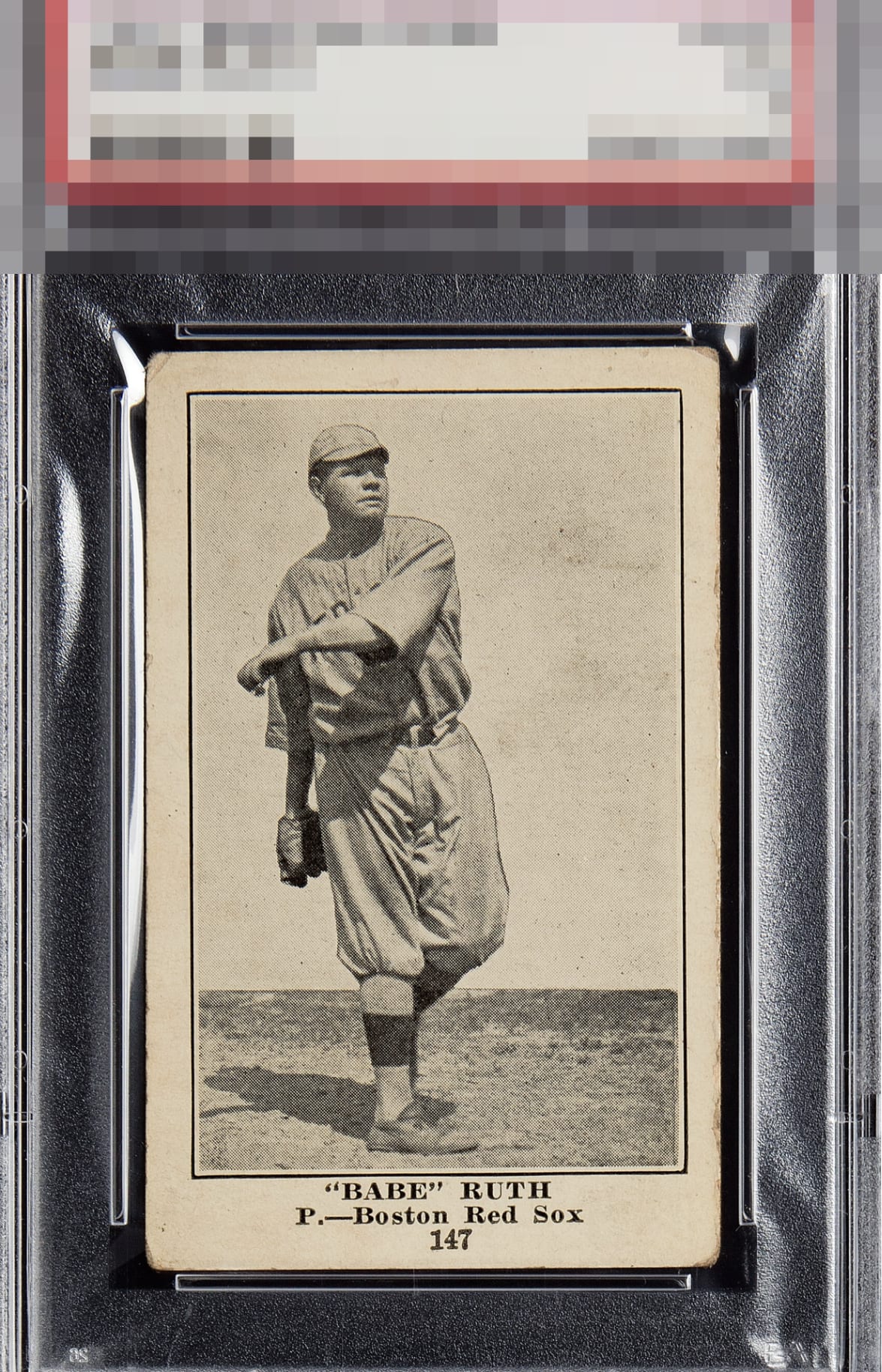
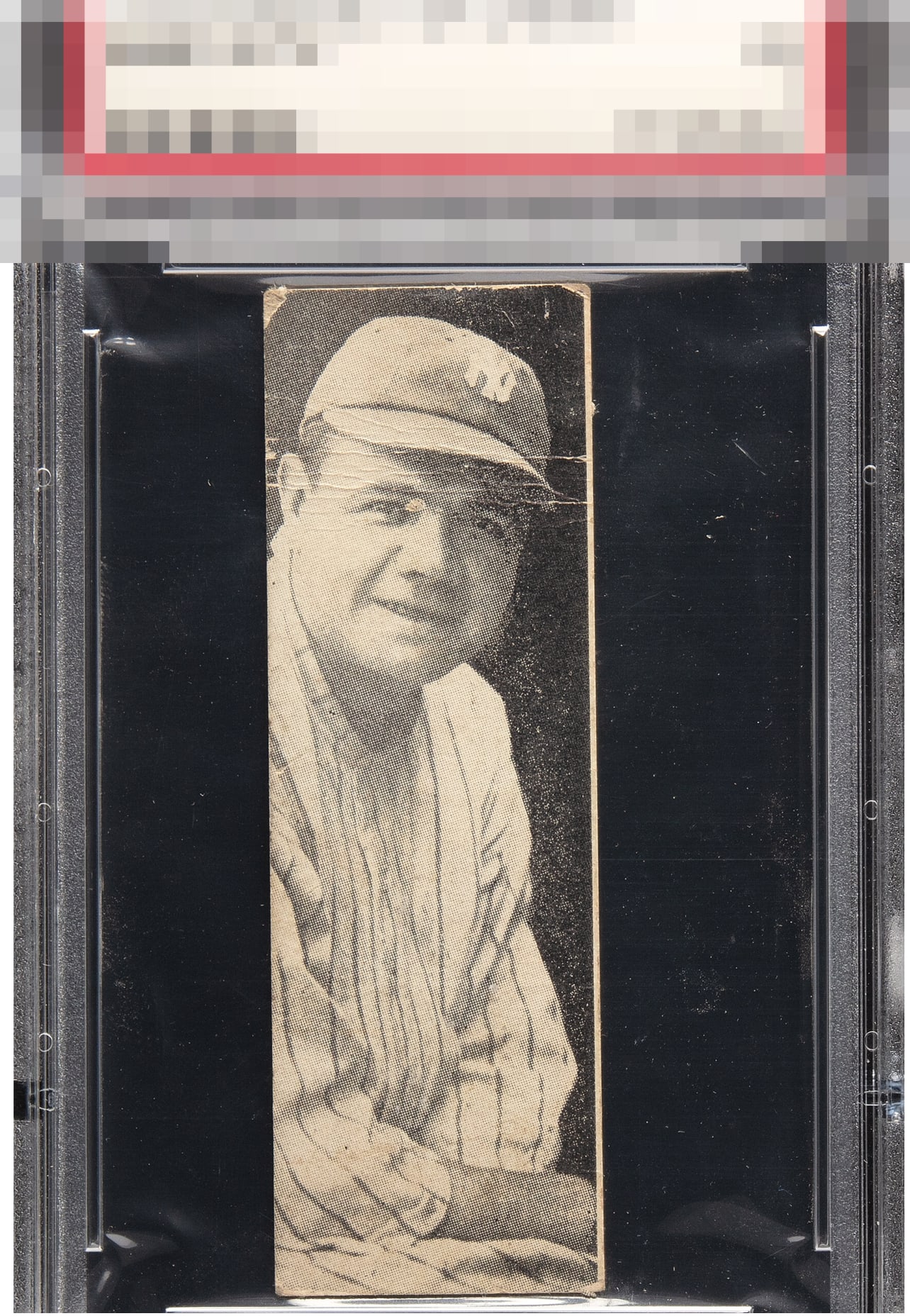
I began collecting sports cards in 1990 at the age of 7, initially focusing on set building before shifting my attention to rookie cards. In the late-1990s, I developed a strong interest in autographs, which became a central focus of my collection ever since. Over the years, I’ve built a substantial collection centered around rookies and certified autographs. More recently, my collecting interests have turned toward vintage material—particularly playing days Mickey Mantle autographs. When I’m not collecting, I’m a husband, father, and teacher in the state of Texas!
Grading Style
Think of this as an umpire scouting report; how does the ump call a game?
Most of my attention is drawn to centering, focus, and color. Edges and corners are important as well but don’t always make or break a card.



Biography
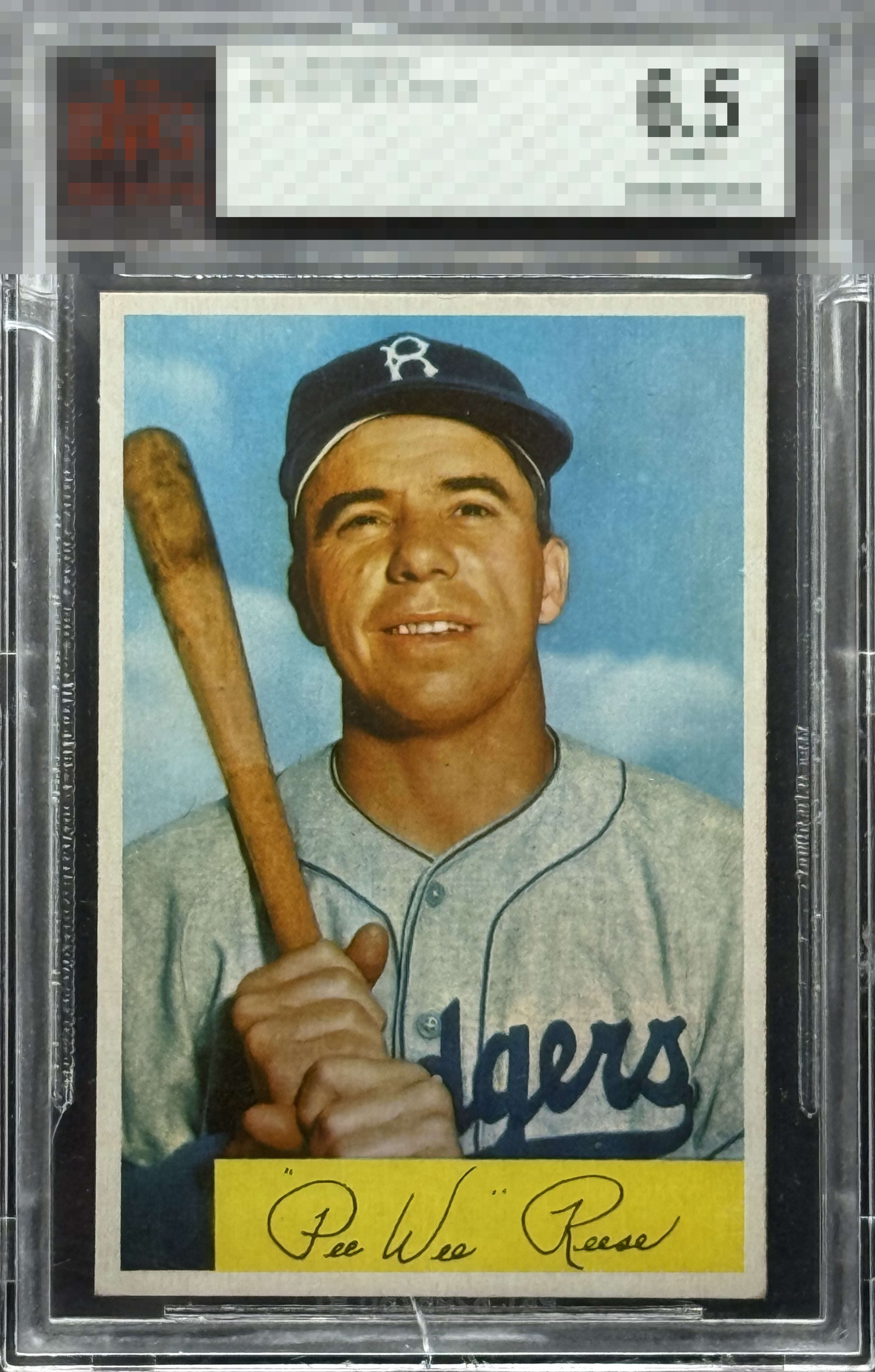
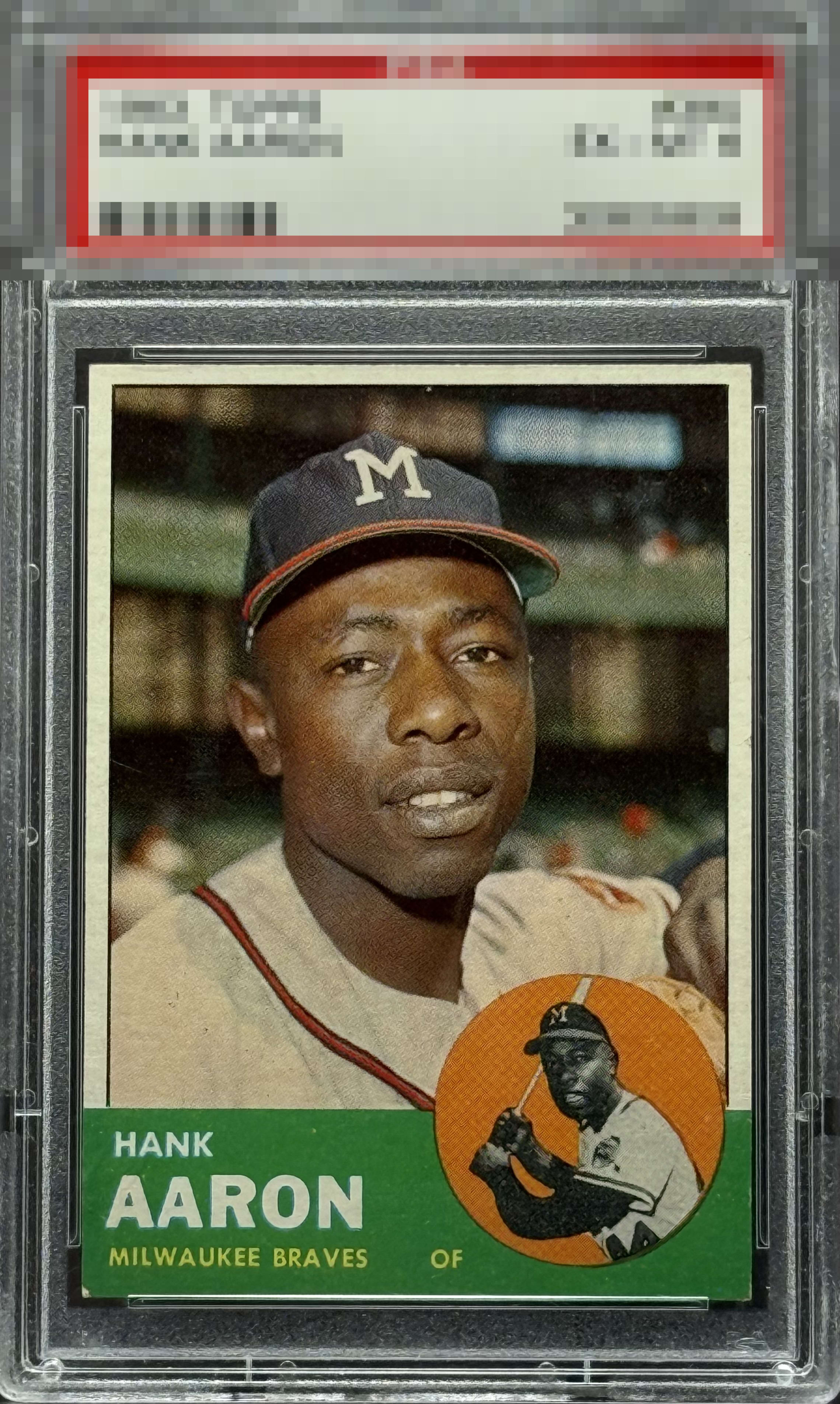
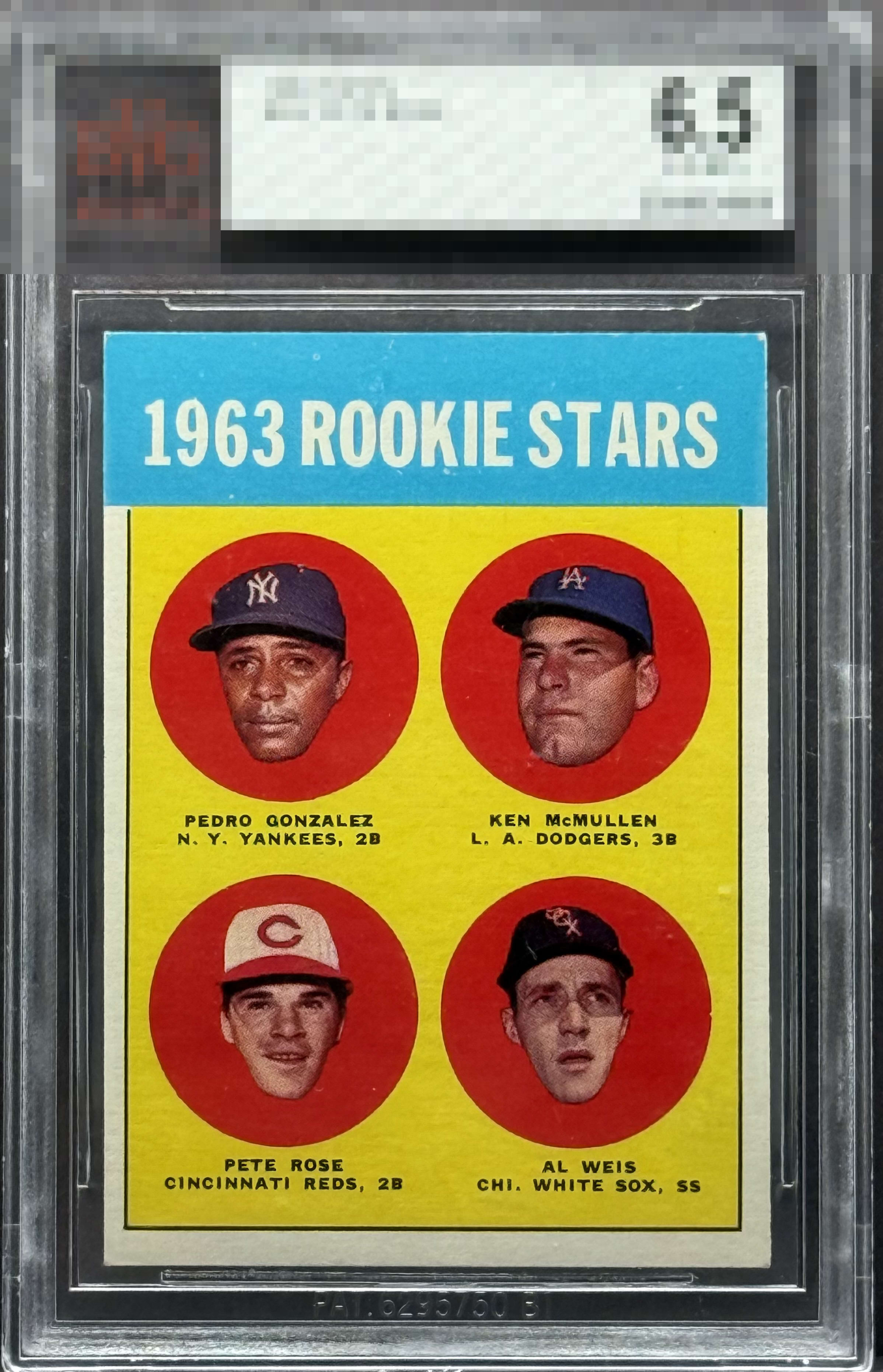
I opened my first pack of baseball cards in 1978 and was searching for Yankees only. By 1985 I was totally hooked and have been collecting ever since. I have a small but very focused collection--one half of which includes rookie and/or iconic cards, and the other half is all Don Mattingly (his 1986 Topps is my all-time favorite card). I spent more than half of my life playing organized baseball from high school to very competitive men's leagues. I have a PhD in mathematics and work full-time as a university professor.
Grading Style
Think of this as an umpire scouting report; how does the ump call a game?
Grading style not yet defined.

Biography
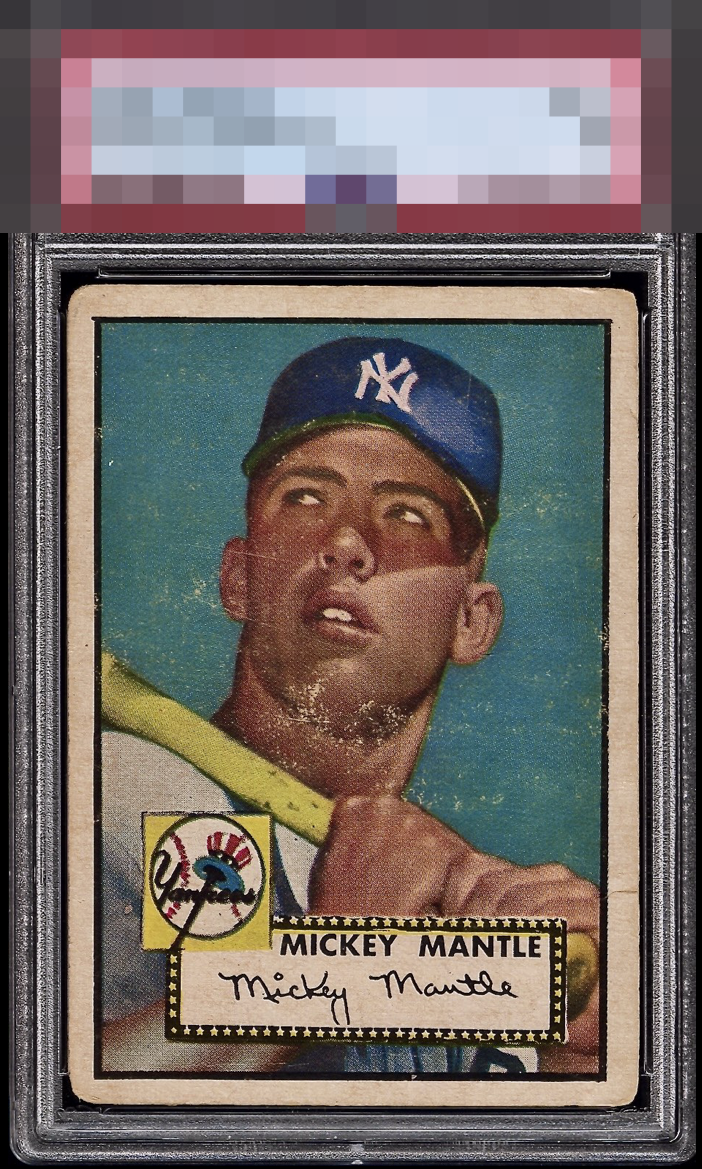
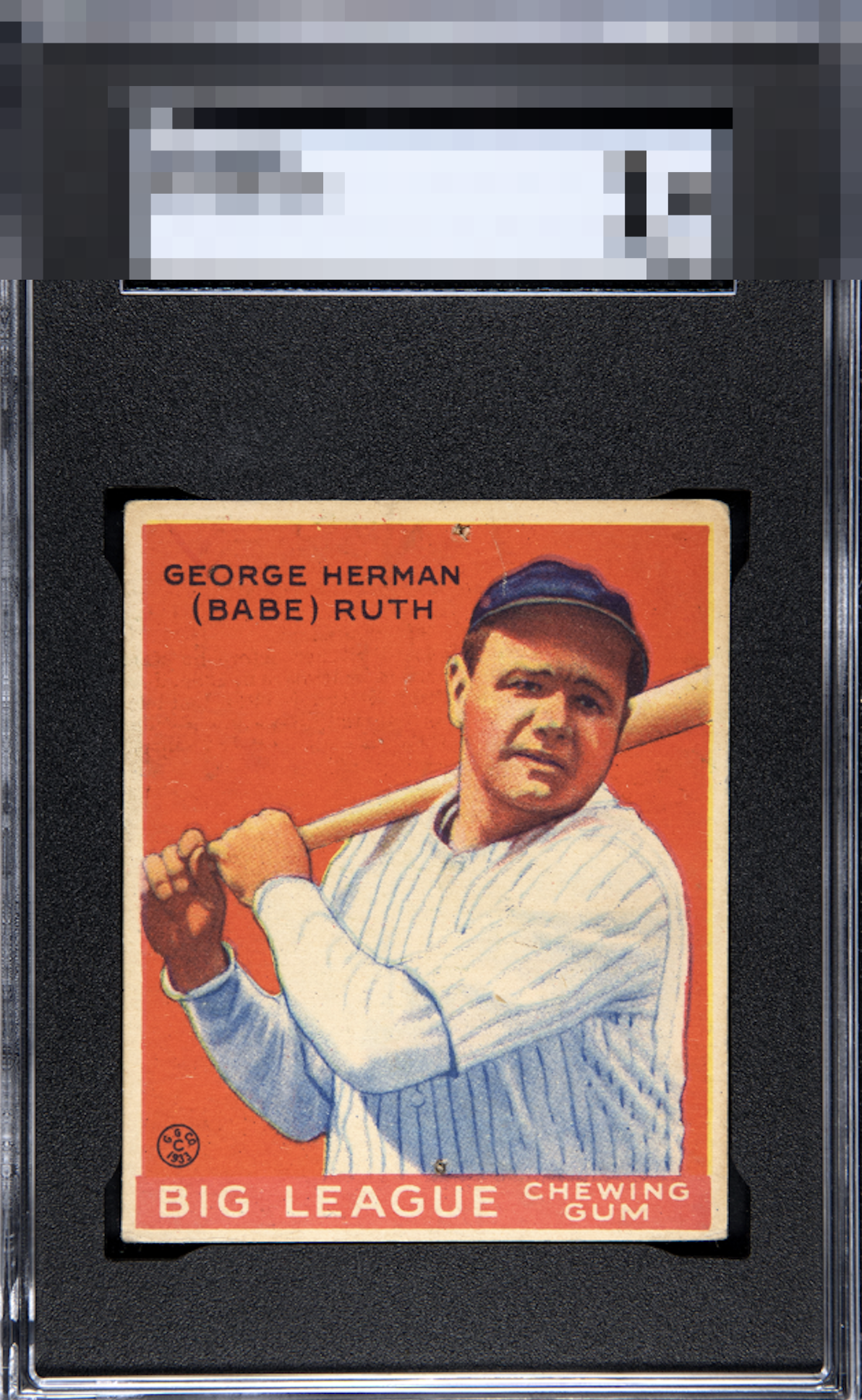
Phil is a lawyer in the entertainment industry, and an avid collector of cards and comics. His collection highlights include a deep Tom Seaver Master Set, along with collections of Keith Hernandez and Darryl Strawberry.
Grading Style
Think of this as an umpire scouting report; how does the ump call a game?
I prefer to have it all, from centering to corners. The former is more essential to me. I will tolerate some corner wear when it comes to eye appeal before I tolerate print dots or focus problems.
SHOWCASE
Building their legacy...

Biography
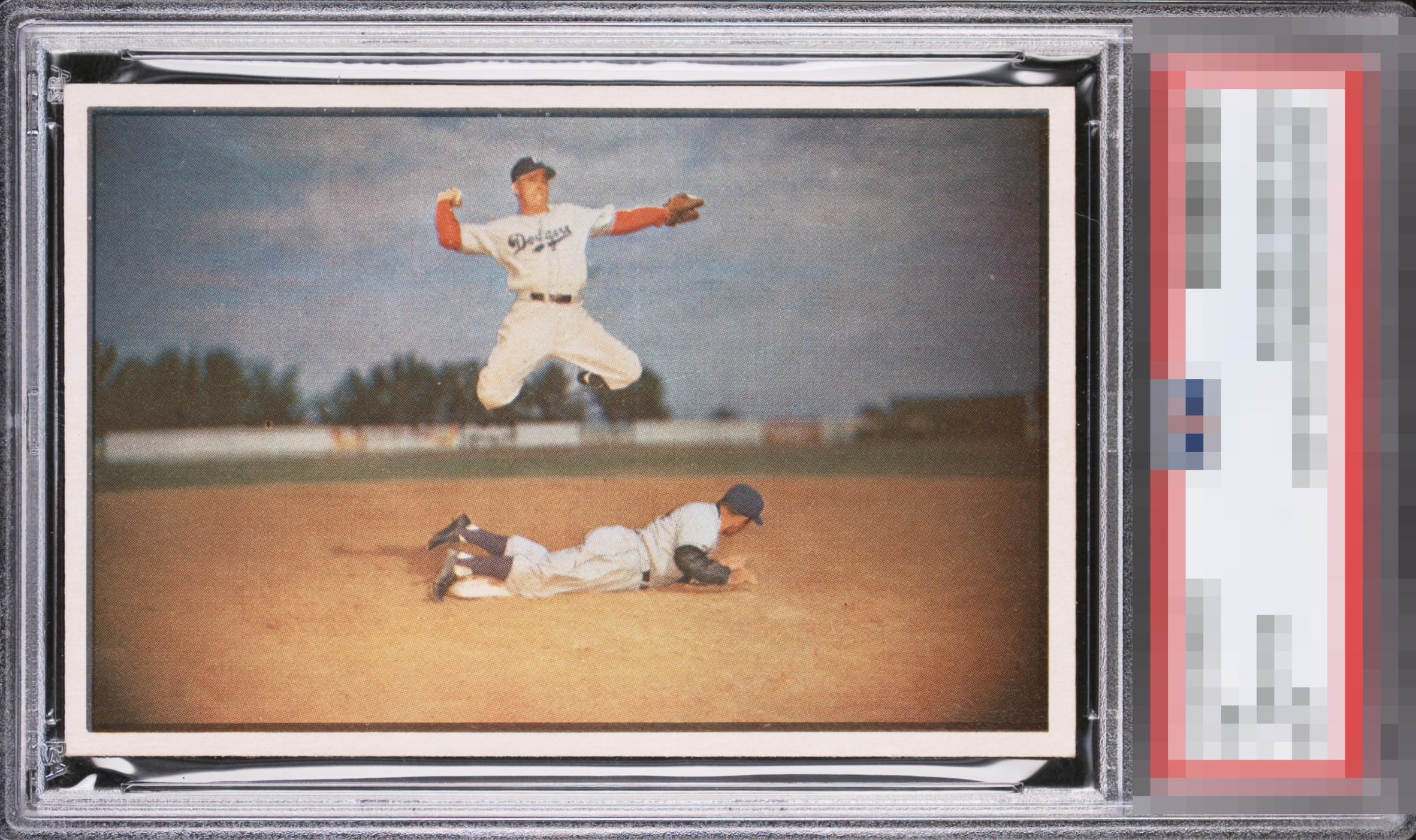
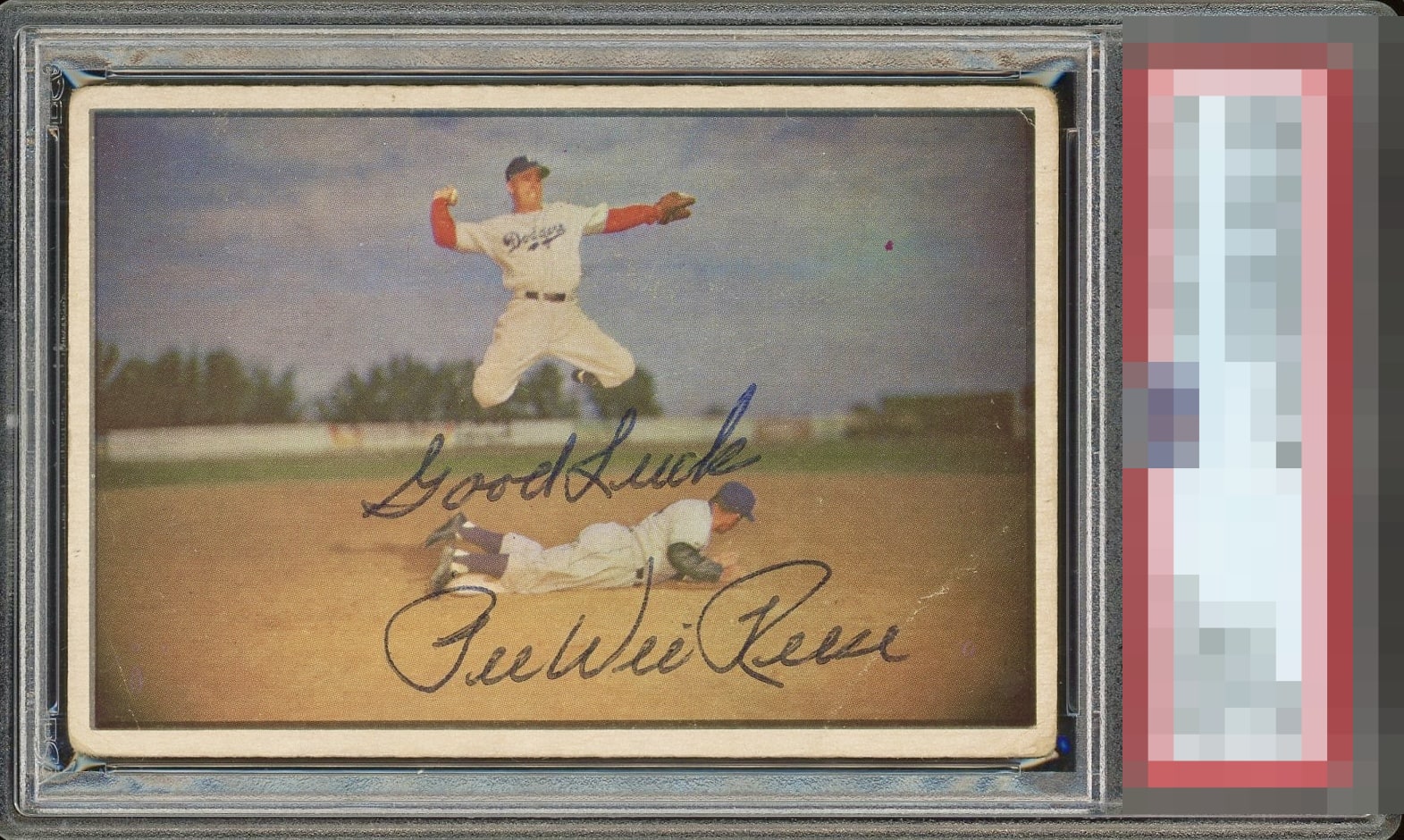
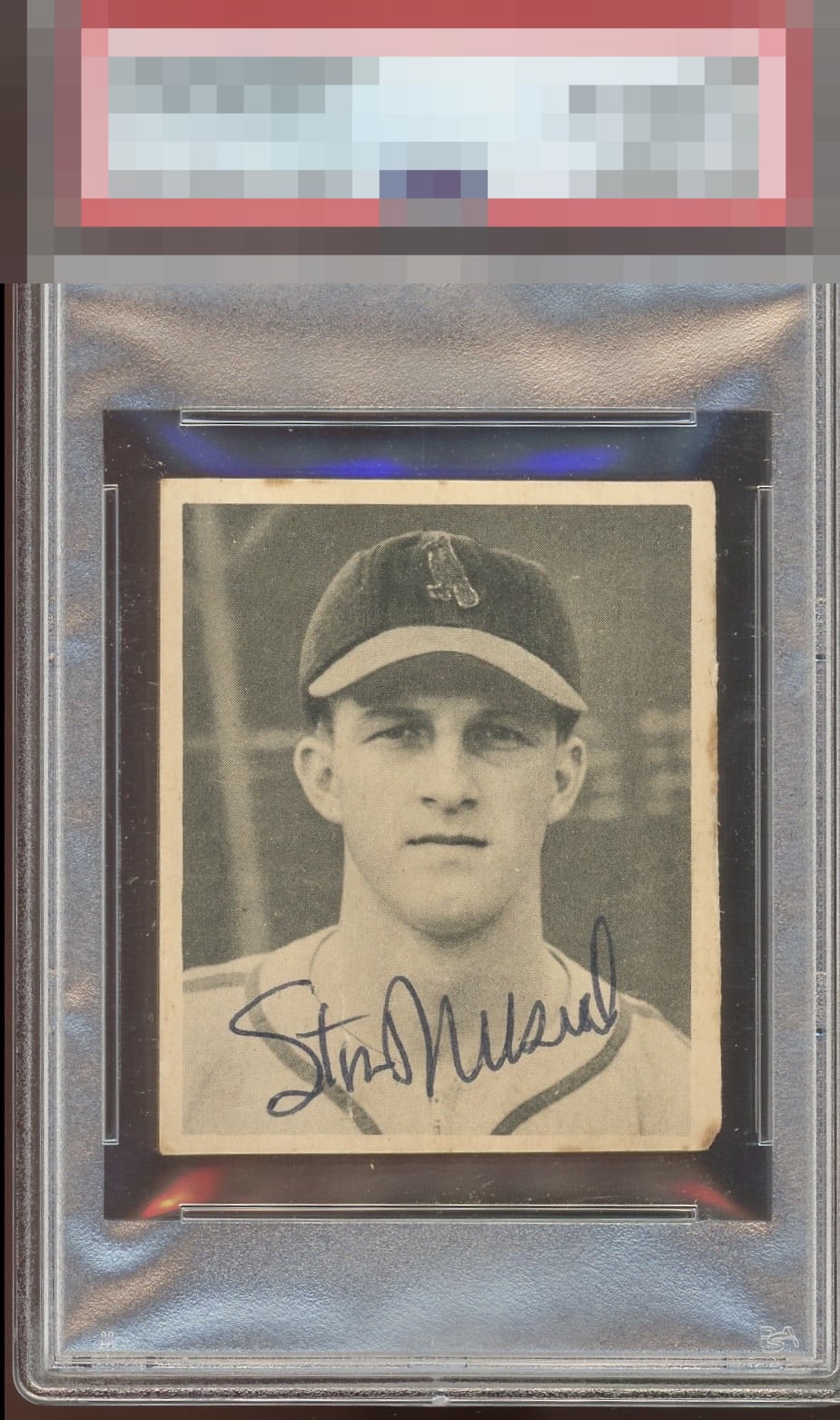
Josh Schneiderman, 33, from Southern California and has been immersed in the world of vintage baseball since coming out of college. Driven by what he calls the “blessing and curse” of a one track mind, Josh has poured countless hours into studying the history, players, and nuances of the hobby. His diverse collection, anchored by signed vintage pieces, resonates with various collectors across eras and interests. Professionally, Josh manages a team of Account Executives in the wholesale mortgage industry. Outside of work and the hobby, you’ll find him on the golf course. Like collecting.. Another place where focus, patience, and a love of the hobby come together.
Grading Style
Think of this as an umpire scouting report; how does the ump call a game?
Strong centering and sharp registration can overcome a lot. Expecting vintage cards to be aged, it’s easy to pay little mind to dull corners and minor creases. When considering eye appeal, one should assume others may not have the same hobby knowledge. Appeal comes in many different forms, but a signature conquers all..



Biography
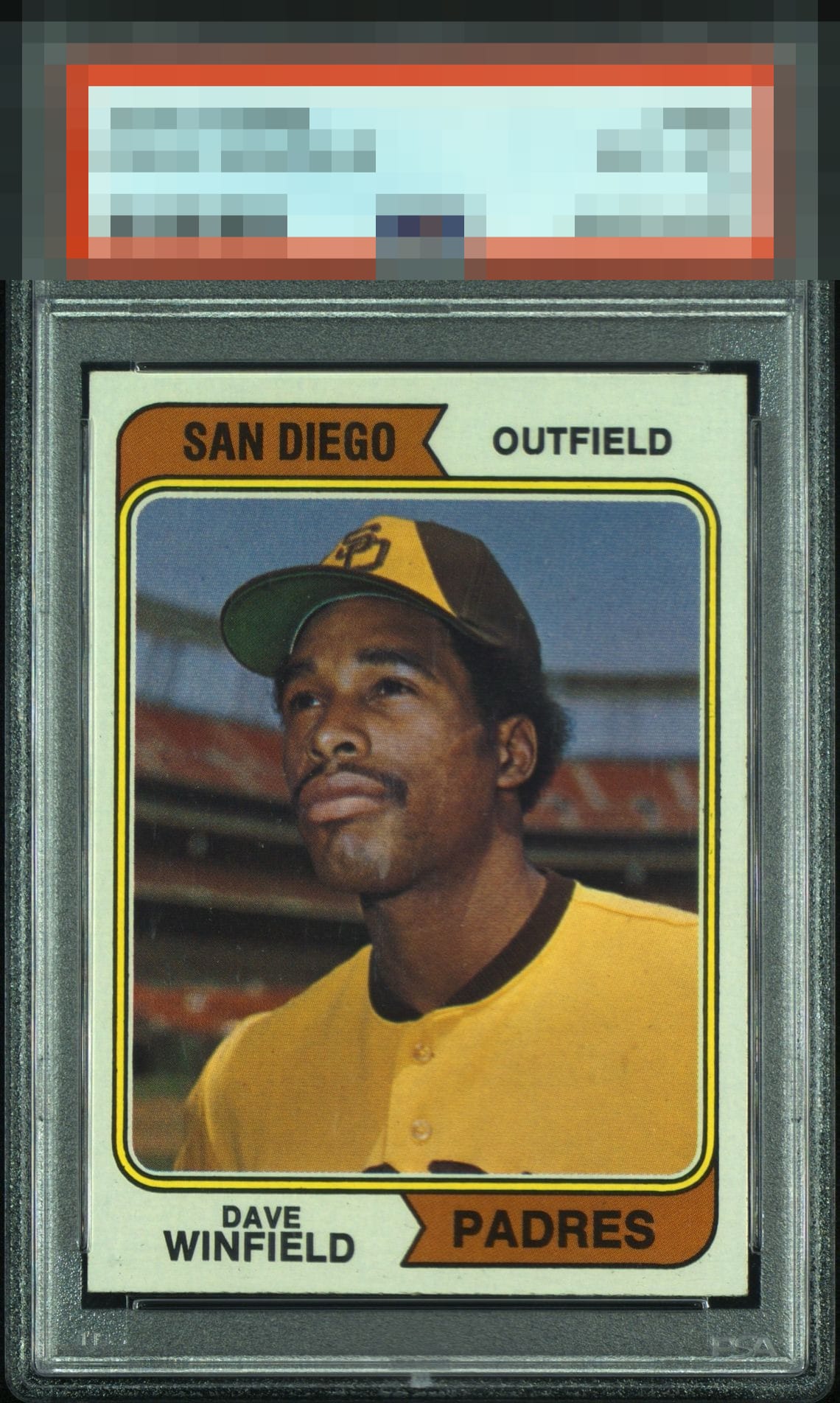
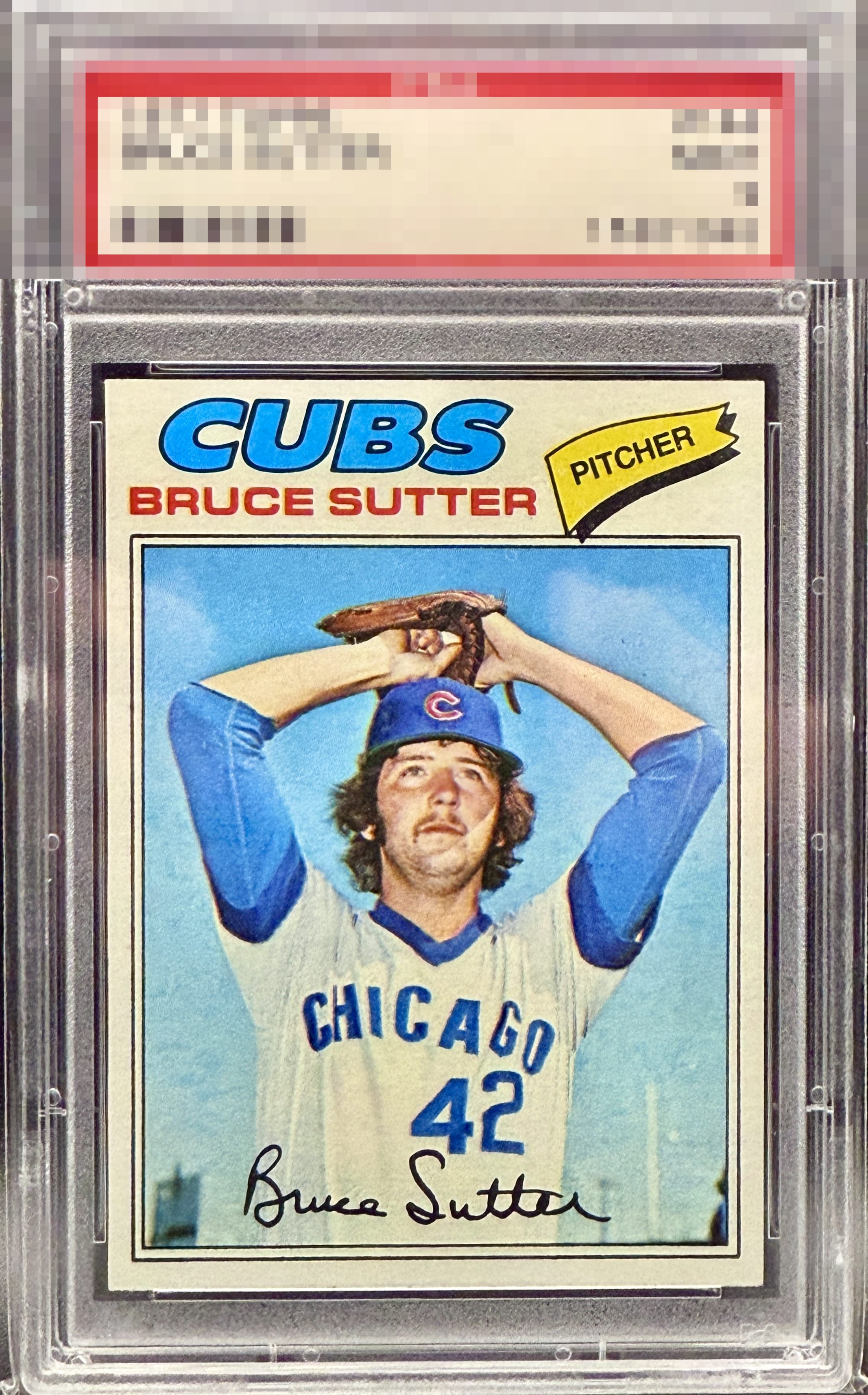
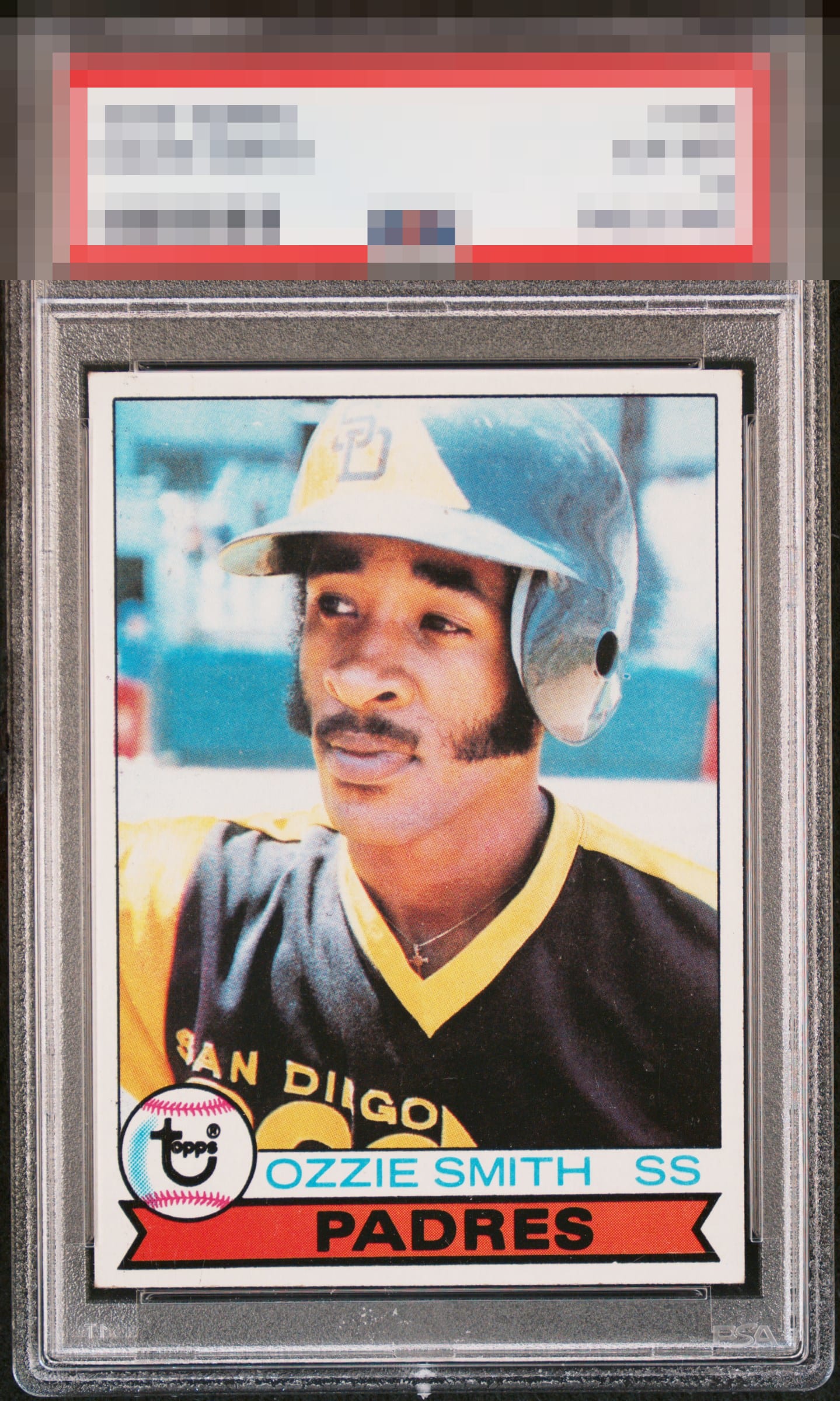
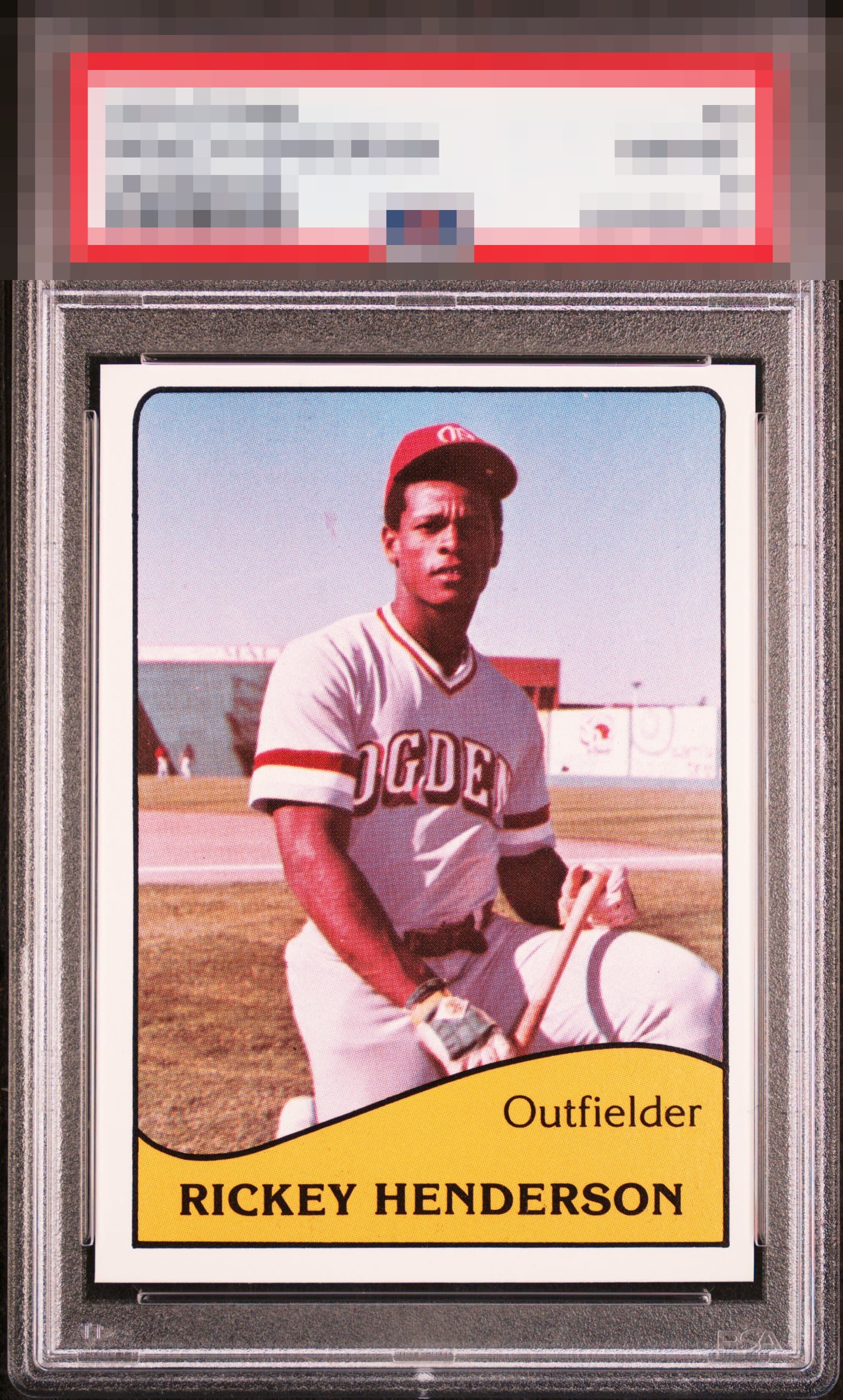
Josh DeBoer is a connoisseur of high eye appeal—pre-rookies, extended rookies, rookie-year issues, and true rookie cards. His personal collection shines a spotlight on players from his own lifetime—the ones he watched or collected growing up—but his PC spans the golden era (1950s) to today, with a sweet spot in the 1970s through the ’90s. In his free time, Josh spends his days at the shooting range, out in the backcountry, behind the camera lens, or lost in a good music playlist. Surround yourself with what makes you happy, and pour love and passion into everything you do.
Grading Style
Think of this as an umpire scouting report; how does the ump call a game?
For me, centering and print registration—like color saturation, alignment and overall print quality—are paramount. With vintage cards from the ’70s and earlier, I’m not bothered by diamond cuts or soft corners. But from the ’80s into the ultra-modern era, sharp corners, clean edges, and flawless centering became the standard. I don’t review autographed cards—I consider them an automatic ejection, worthy of a full-blown steroid-era suspension.


Biography
Former financial advisor turned full time collector and hobbyist in 2016 Featured in Hobby Dons on You Tube
Grading Style
Think of this as an umpire scouting report; how does the ump call a game?
Firm but fair. Centering and background coloring is important

Biography
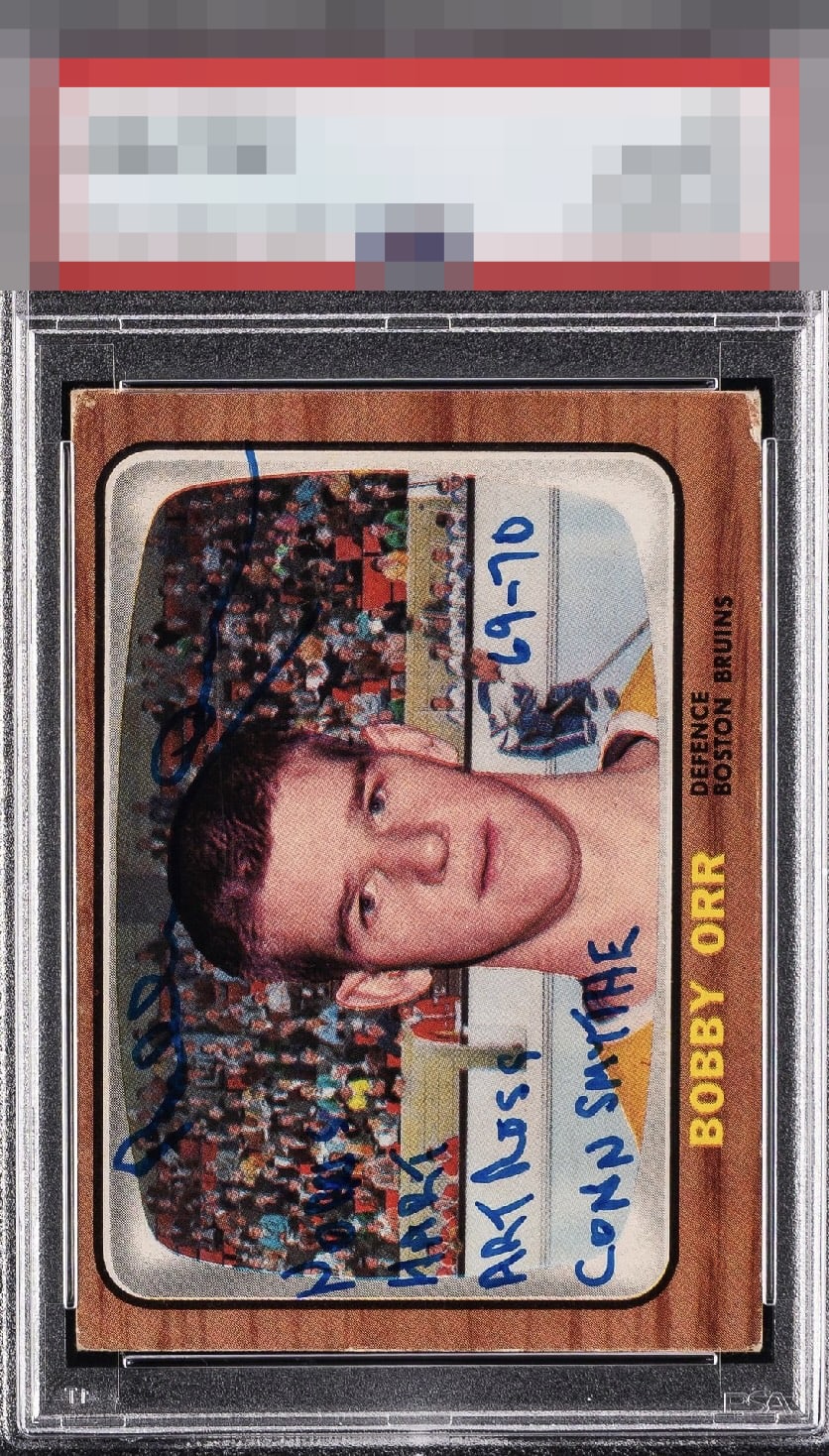
A distinguished member of the Council of Eyes, dedicated to preserving the art of collectible evaluation and maintaining the highest standards of eye appeal assessment.
Grading Style
Think of this as an umpire scouting report; how does the ump call a game?
Grading style not yet defined.
SHOWCASE

Biography
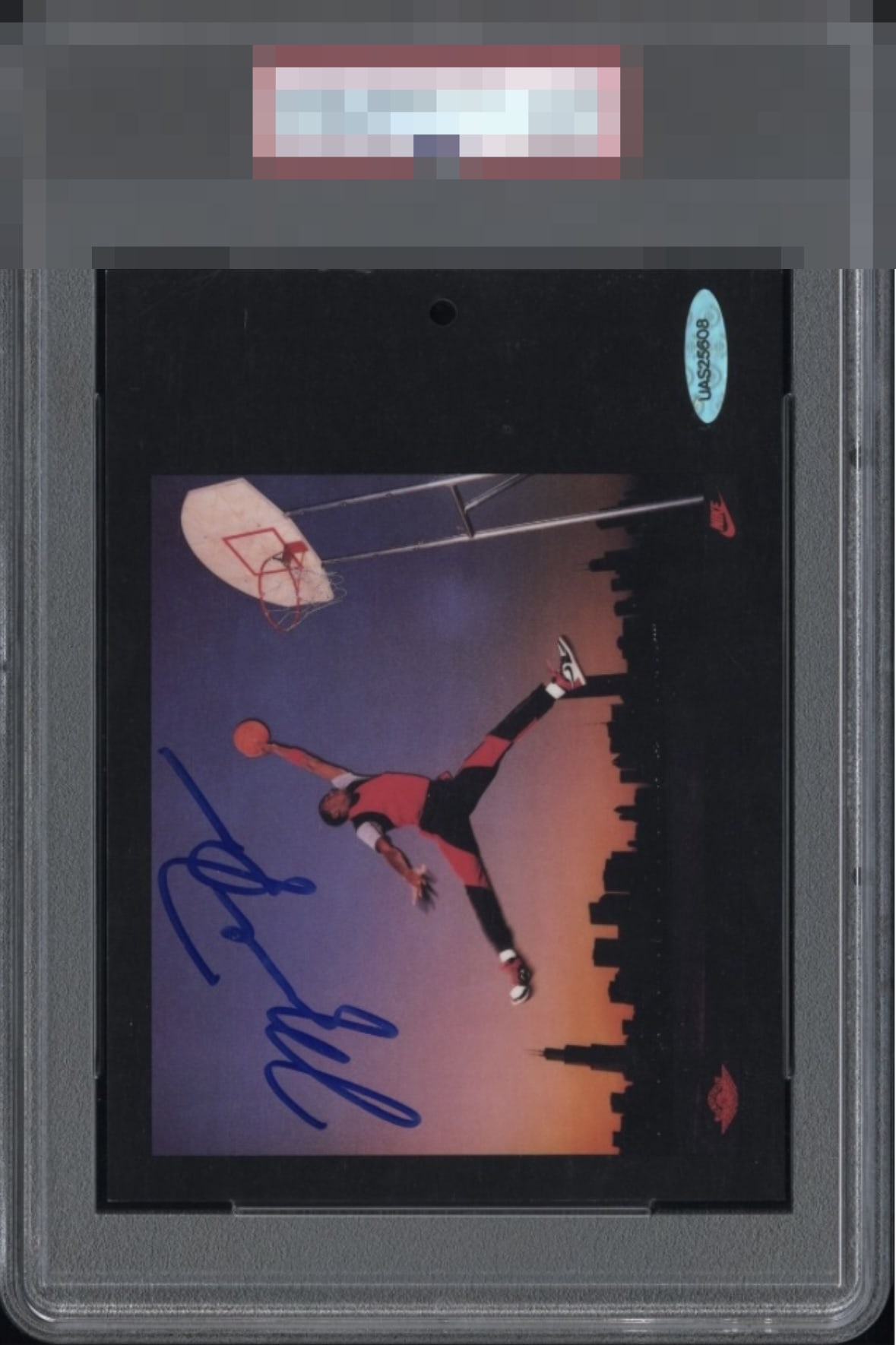
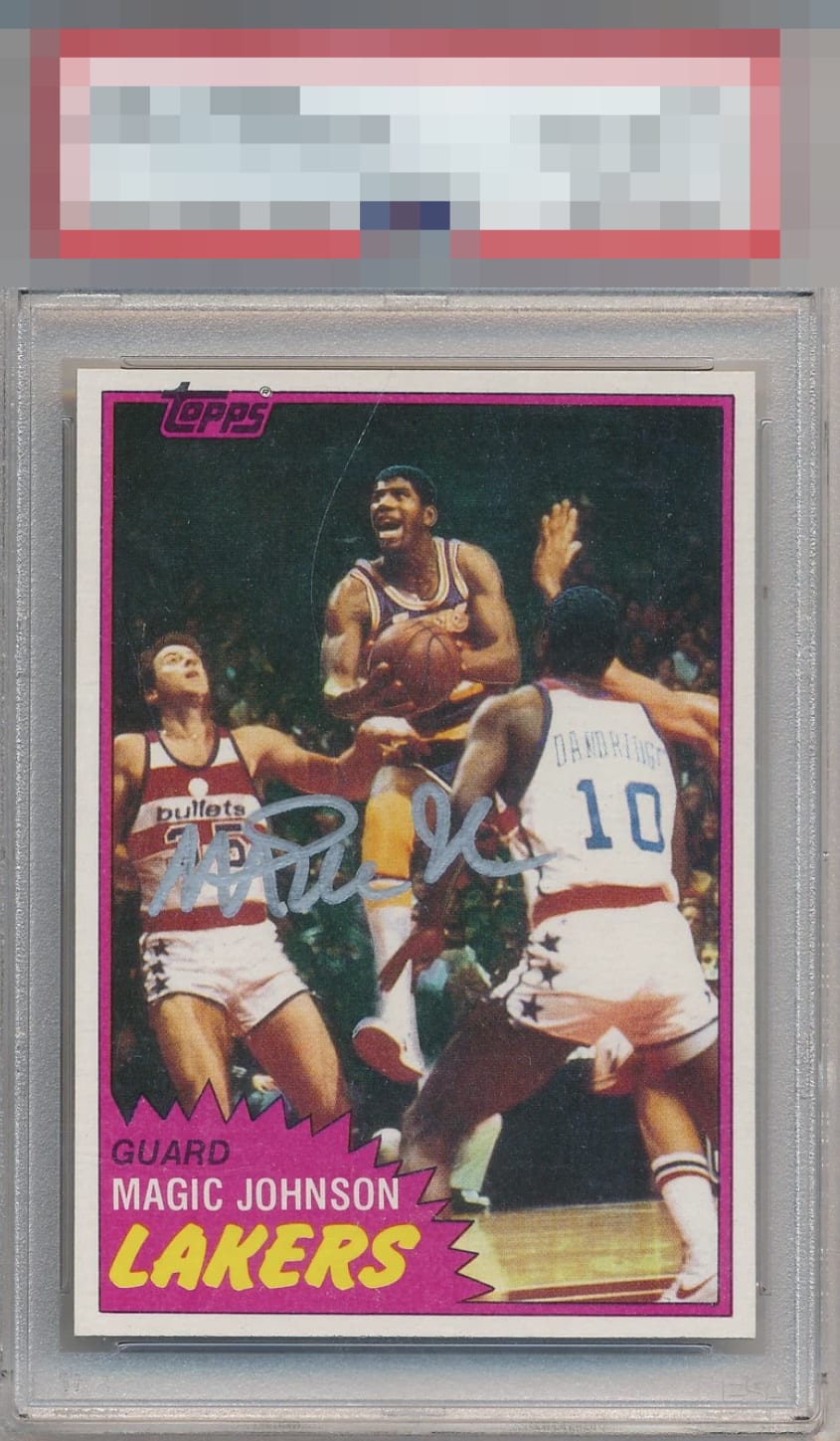
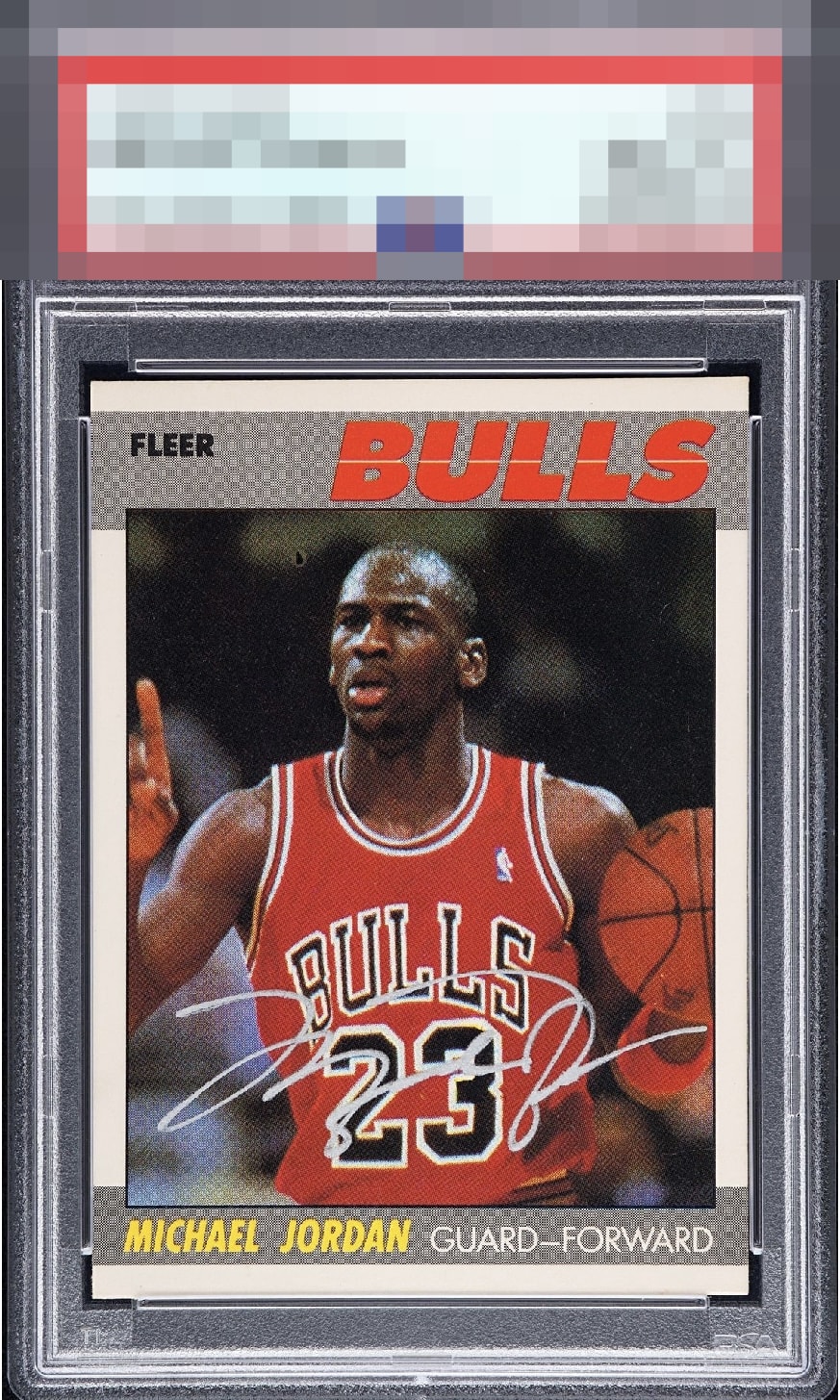
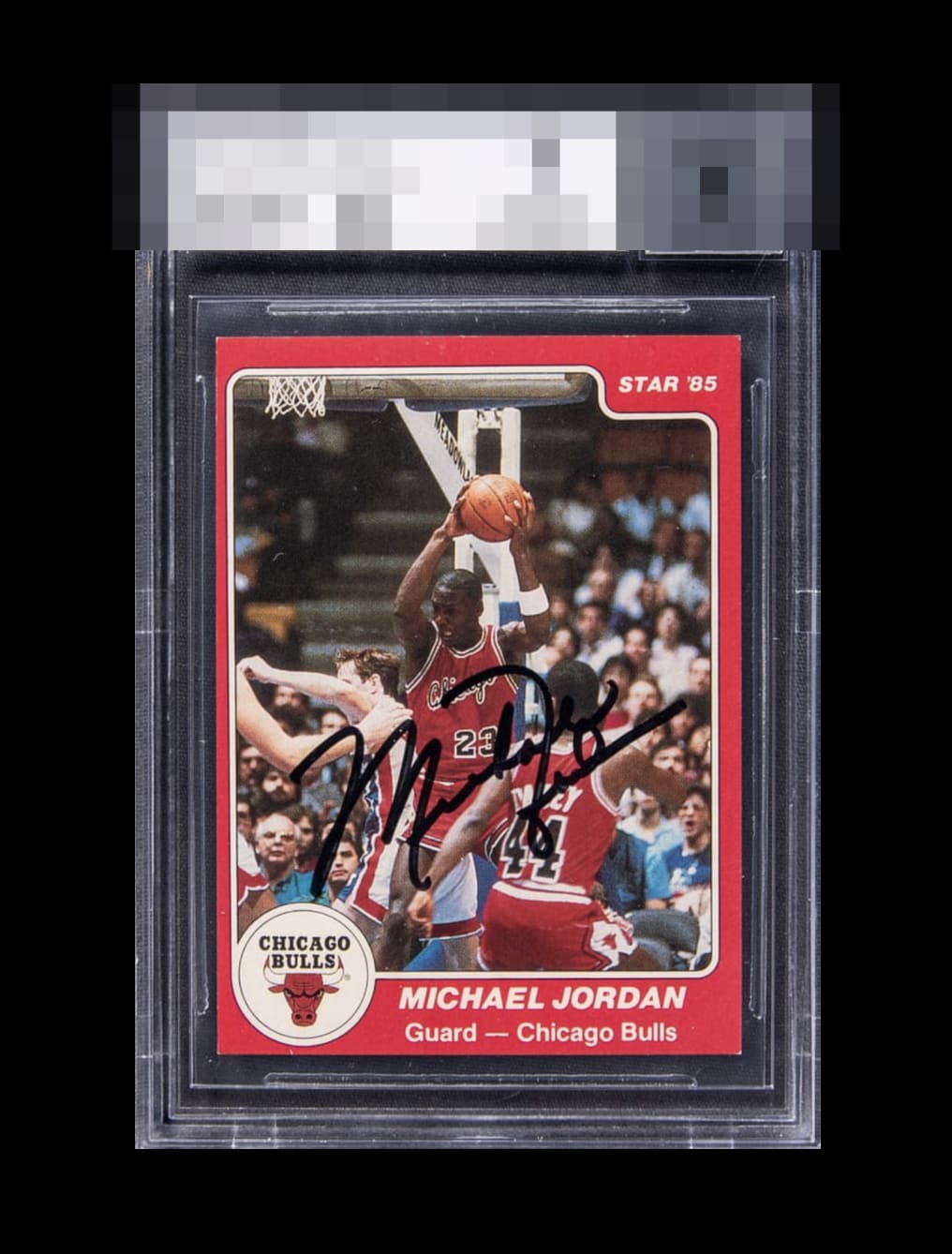
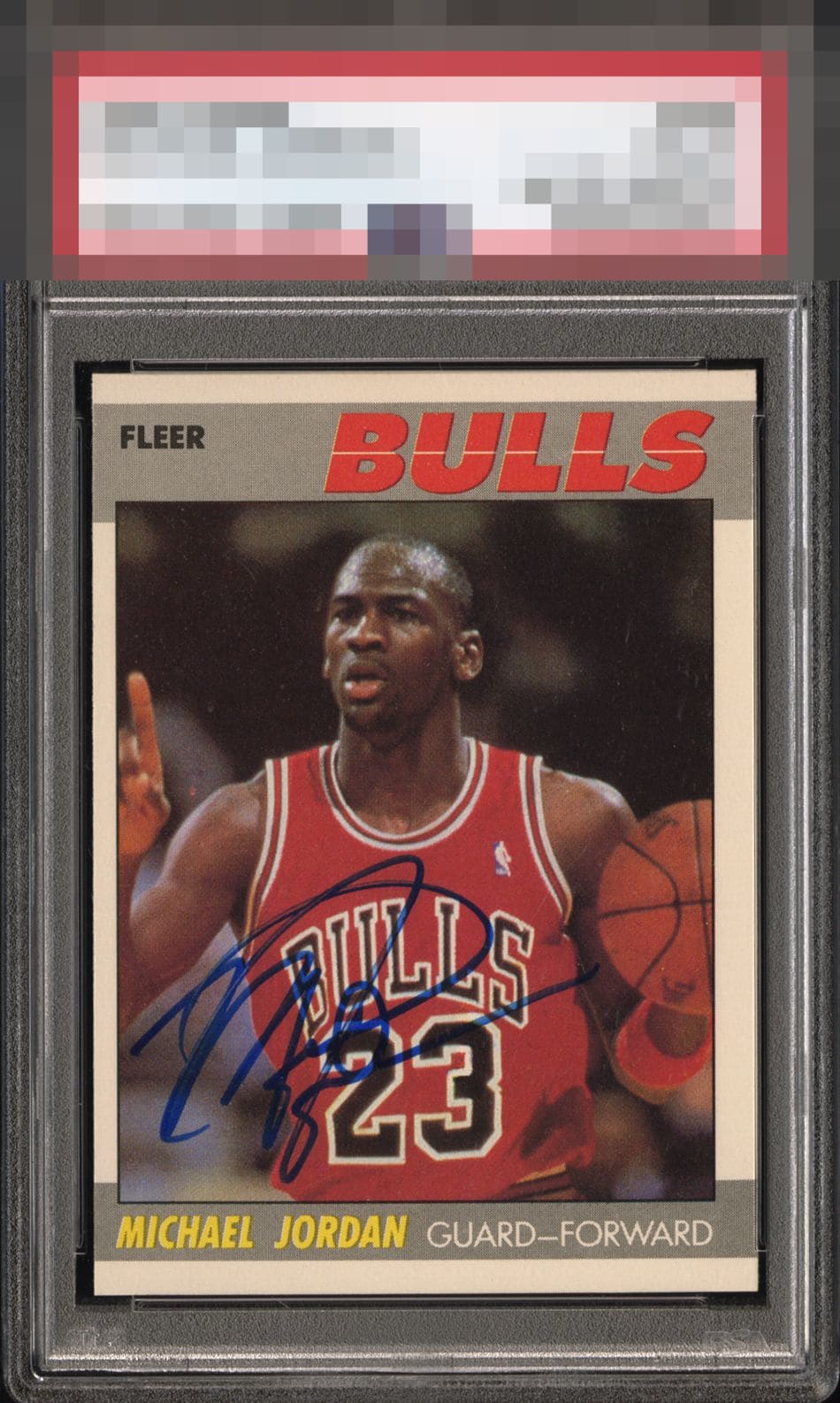
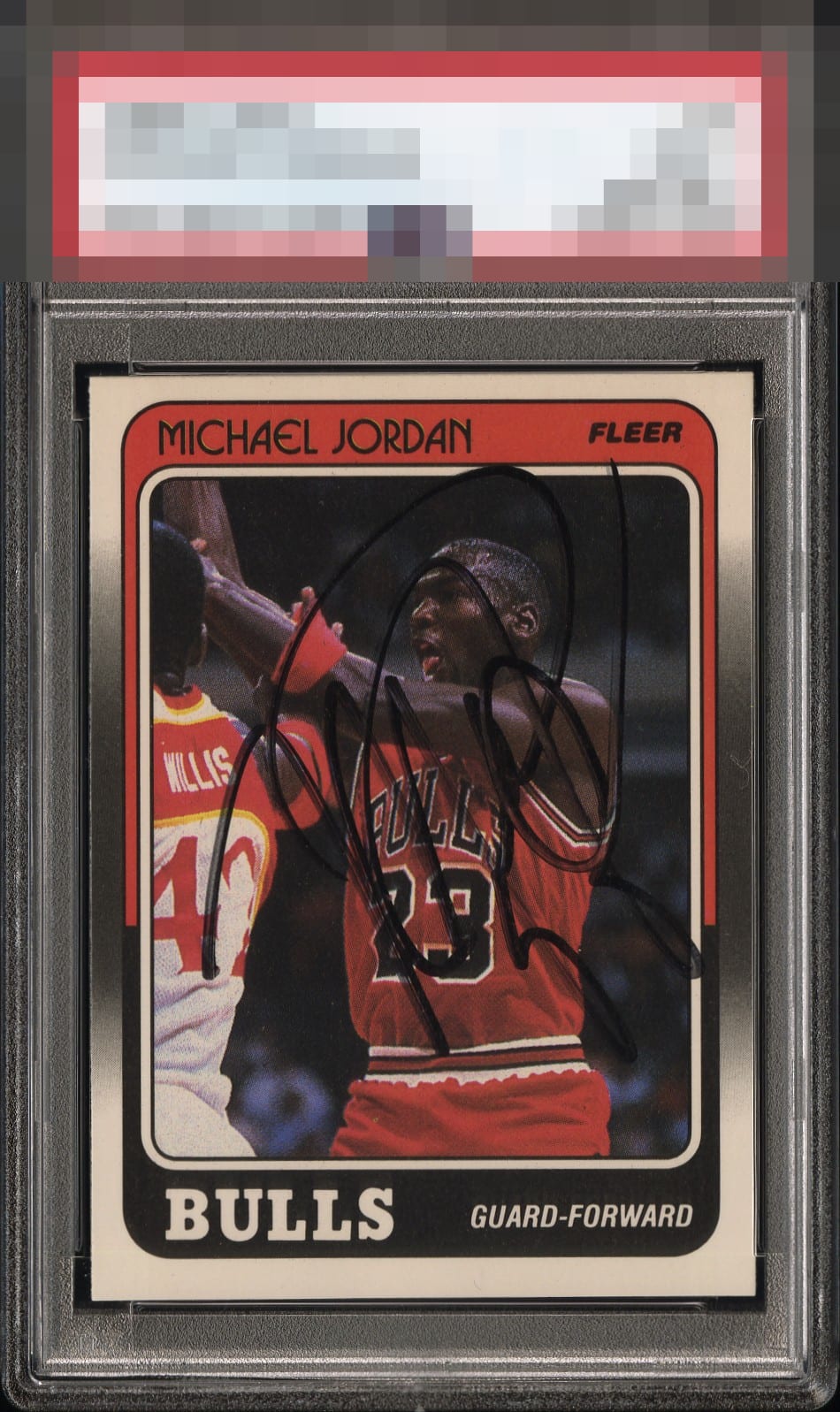
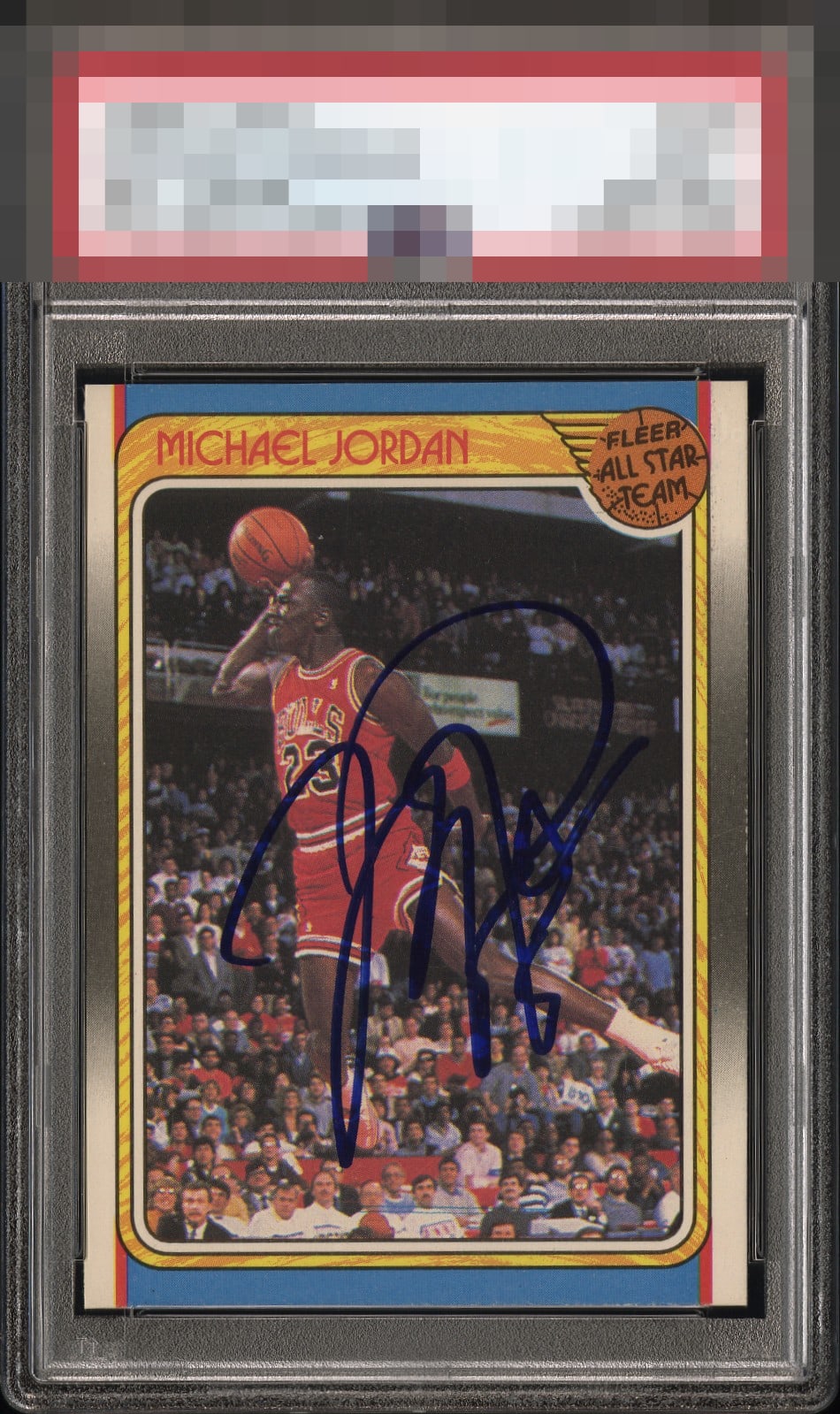
I started collecting in 1986 after nearly fist fighting my older brother for a 1986 Donruss Dwight Gooden in the backseat of a Honda Civic. My first job was at Terry's Comics and C+C Baseball cards in Brooklyn, NY at the rip old age of 11. I returned to the hobby in 2010 and have kept a two simple collecting guidelines in focus since. First, would 6-15 year old Greg think the item is cool. Second, cover the grade and find the prettiest copy for my budget. I remember sifting through stacks of a card back in the 80s and narrowing down my pick based on my eyeballs alone. Why change that now because there is a sticker with a number on the plastic lol? I focus mostly on vintage, IP signed Michael Jordan and post war through 1980s baseball. I also collect comics from Golden Age Batman, Silver Age Marvel Keys and Bronze and Copper Keys. When not collecting I also enjoy bodybuilding, competing in the Classic Physique division, and Muay Thai. Much less dangerous than spending time on Heritage and Goldin ;)
Grading Style
Think of this as an umpire scouting report; how does the ump call a game?
Grading style not yet defined.


Biography
I’ve been part of the sports card world for as long as I can remember — quite literally born into the hobby. I spent my childhood at my father’s card shows in the ‘80s and ‘90s, tearing open packs and collecting players like Bo Jackson, Jose Canseco, and Jaromir Jagr. Those early experiences sparked what became a lifelong connection to the hobby. Through those shows, I developed a strong appreciation for vintage cards, built on real interactions with Hall of Famers from the 1930s to the 1970s. To this day, I feel a closer connection to Hank Aaron than I do to Aaron Judge. Over the years, I’ve been fortunate to spend time with legends like Mickey Mantle and Joe DiMaggio, share a dinner with Muhammad Ali, and talk about baseball for hours with Frank Robinson. Collecting has never just been a pastime — it’s been a constant part of my life. Outside of the hobby, I’m a Managing Director at an alternative asset firm in NY and spend most of my time with my beautiful wife and three young boys.
Grading Style
Think of this as an umpire scouting report; how does the ump call a game?
My grading style is rooted in simplicity and instinct. I put a strong emphasis on centering, because it’s the backbone of a card’s visual balance and often what gives it that immediate “pop.” I don’t chase flaws under a magnifying glass or get lost in technical minutiae—instead, I look at a card the way most collectors do: as a whole. I judge eye appeal from a natural perspective, stepping back to ask whether the card feels right—not just whether it hits a checklist. I’m not grading by numbers; I’m grading against an ideal—the cleanest, sharpest, most balanced version that card can be. And when a card comes close to that standard, it stands out. True quality doesn’t need to be explained—it shows up on its own.


Biography
A distinguished member of the Council of Eyes, dedicated to preserving the art of collectible evaluation and maintaining the highest standards of eye appeal assessment.
Grading Style
Think of this as an umpire scouting report; how does the ump call a game?
Grading style not yet defined.
Ready to Join the Council?
Demonstrate your expertise, build your reputation, and become eligible for council membership.